
7 Best Solar Camera Scenarios: Where Solar Powered Security Cameras Earn Their Cost (2026)
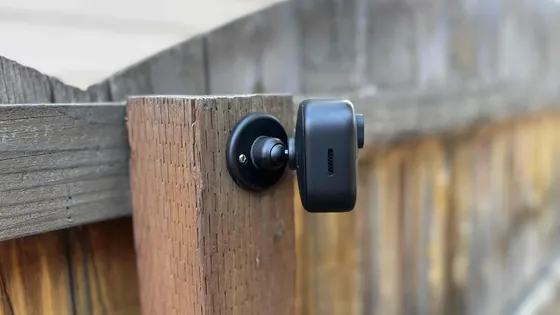
Table of Contents
A solar powered security camera is only worth its cost when it sits on the right site. Mounted on a farm gate it can pay for itself in one prevented theft. Bolted to a shed wall fifty meters from a mains outlet, it is simply a more expensive version of a wired camera. The seven solar camera scenarios in this guide share one trait. Each is a site where trenching power and pulling cable cost more than the camera does, and where the camera may have to move next season. Off grid camera uses are not a niche. Livestock theft, construction material losses and remote yard break-ins cost businesses thousands per incident, and the sites where they happen rarely have an outlet within reach.
This guide ranks the seven best solar camera scenarios by how well they fit the technology's strengths: no power line, no Ethernet, easy relocation and event-based recording. For each scenario you get a typical configuration: panel watts, battery capacity and a 4G data profile, so you can check any supplier quote against the numbers. If you want the full power math first, read our solar security camera guide, then come back here to match the scenario to the spec.
Keep reading for more!
The Snapshot
- Solar cameras pay off where the alternative is a power trench: a 500m cable run typically costs $7,500-20,000 once labor and conduit are counted, which is 5-15x the cost of the solar camera that replaces it.
- Panel sizing rule of thumb: panel watts roughly 6-8x camera watts in average climates. A 4W 4G camera pairs with a 30W panel at 4.5 peak sun hours and a 360Wh LiFePO4 battery for about 3 days of autonomy with zero sun.
- Typical draws by class: WiFi solar cameras 2-4W, 4G solar cameras 3-6W, solar PTZ units 6-12W. Deep sleep drops a camera to 0.1-0.3W and wakes on motion in under 2 seconds, which is what makes small panels viable.
- 4G data is the recurring bill: event-triggered recording at 0.8-1.5 Mbps fits a 30-50GB monthly plan at $10-25, while continuous streaming at 3 Mbps burns about 1.35 GB per hour and roughly 1TB per month.
- The number one field failure is an undersized panel, not the camera: sizing for worst-month sun hours and 3+ days of battery autonomy is the difference between a monitored site and a pole decoration.
How We Picked the Seven Best Scenarios
The selection is based on real deployment patterns rather than brochure claims. The question "what is the best use solar camera?" comes down to arithmetic: compare the all-in cost of solar plus 4G against trenching power and running network to the same point. When utilities are within 50-100m of the mount, PoE or AC power wins. When they are not, or when the site moves within a year, solar wins by a factor of 3-10x on first cost, and it is the only option that relocates.
The solar camera applications that make this list all pass the same screen. Each one satisfies at least three of these five tests: no grid power at the mount point, no broadband within reach, equipment or inventory value at stake, a deployment window measured in months rather than years, and relocation likely. The seven solar camera locations that dominate real orders are farms and ranches, construction sites, remote warehouses, roads and parking lots, forestry and wilderness, border and perimeter fences, and temporary events.
One note on the numbers before we start: every figure below is a typical value for the product class, because exact specs depend on local sun hours and site activity. The power budget math behind these figures is worked out line by line in the solar 4G camera guide.
To see why these scenarios beat wired CCTV, run the cost benchmark once. A single camera point 400m from the nearest outlet needs a trench at $15-40 per meter once labor, cable and conduit are counted, which lands at $6,000-16,000 before the camera is mounted. A network link adds another $1,000-3,000 if broadband stops at the property boundary. The same point with a solar 4G camera is $600-1,500 of hardware and $12-30 per month of data. The break-even is usually inside the first year, and the solar camera can be picked up and moved when the site changes.
Scenario 1: Farm and Ranch Perimeters
Why it fits: farms are the original off-grid site. Gateways, equipment yards and outbuildings sit hundreds of meters from the nearest outlet, and livestock and equipment theft are recurring losses. A 500m fence line needs roughly 6-8 cameras at 60-80m spacing, and the $600-1,500 per-camera cost amortizes against a single prevented incident: equipment theft losses routinely exceed $20,000 per incident.
Config to spec (typical): a 30-60W monocrystalline panel per camera feeds a 4-6W draw, backed by a 360Wh LiFePO4 battery for 3+ days of autonomy. Budget 4G event recording at 0.8-1.5 Mbps on a 30-50GB monthly plan. Put full-color night vision units on gates and equipment yards so the recording shows vehicle color and markings. Use smart detection zones that ignore livestock motion, so cattle do not wake the camera all night.
Watch out: mount panels high enough that cattle and machinery cannot reach them, and use anti-tamper brackets on pole mounts. Check year-round shade, because a tree line that clears the panel in July can shade it by October. Winter sites need panel watts sized for the worst quarter, which can push the spec to 100W. Fence-line layouts and livestock-aware detection are covered in depth in our solar farm camera guide, and the hardware is in the project CCTV systems.
Livestock operations add one twist worth planning for: animals damage what they can reach. Mount every unit on poles with clear ground clearance, keep panel cables in conduit, and prefer pole brackets with tamper-proof fasteners over strap mounts. On active pastures, position cameras so the detection zone covers gates and lanes rather than the whole paddock, which keeps event recordings useful and the data bill low.
Scenario 2: Construction Sites
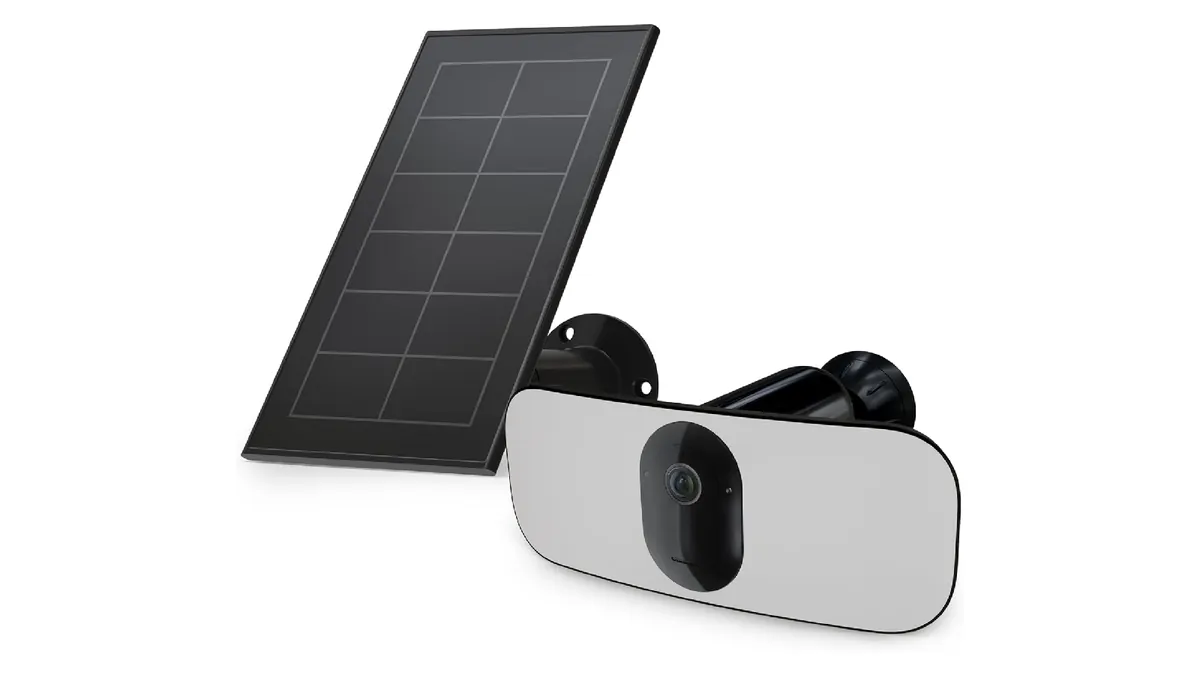
Why it fits: a construction site is temporary by definition: 6-12 month lifespans, zero existing infrastructure, and tool and material theft that costs contractors billions worldwide each year. A construction site camera makes trenching absurd, because the power feed would outlive the project. The whole system relocates with the site, which is something no cable run can do.
Config to spec (typical): pole- or trailer-mounted solar cameras covering entry gates, material staging areas and equipment parking. A solar PTZ unit with 20x optical zoom sweeping the site from one high point draws 6-12W, so it needs an 80-100W panel and a 720-900Wh battery. An active site generates more events, so budget 4G at 1.5-2 Mbps on a 50-100GB plan rather than the quiet-site 30GB figure.
Watch out: dust rating IP66 minimum, and the panel-battery assembly must survive being moved between projects. Lock or cage the battery box, because on a construction site the camera is a target as much as a tool. Expect false alerts from excavators and delivery trucks, so enable person and vehicle filters before the first night. For camera options that pair with the site's existing network, see the IP cameras.
The deployment sequence on a site follows the same pattern every time. Survey 4G signal at each mount point first, check panel shade against the site's building heights, then install and verify live view, event triggers and night image before leaving. A solar camera that passes its week-one check but fails the first rain test was verified on the wrong criteria.
Scenario 3: Remote Warehouses and Storage Yards
Why it fits: storage yards have power at the office but rarely at the fence line, and container yards and depots sit where broadband stops. The gaps, perimeter corners, loading bays and equipment parking, are exactly where solar 4G cameras fit. Where mains power does exist, a hybrid approach works best. The camera runs on AC with a battery backup and uses 4G for the network, so the battery carries it through outages and the panel keeps the battery topped up.
Config to spec (typical): perimeter corners at 3-5m height with a 15-30 degree downward angle. A 4MP camera with a 6mm lens identifies a person at roughly 15-20m across a yard. Panel 30W, battery 360Wh for 3 days of autonomy, and a 128GB+ SD card with event-only upload, which keeps the SIM bill at $12-30 per camera per month.
Watch out: a full-color camera running its white LED at night adds 3-6W to the draw, so budget the LED into the daily total or the winter battery drains early. Forklifts and vehicles trigger motion constantly, so tune detection zones to the fence line rather than the yard. Check RSSI at each corner before mounting, because metal containers and corrugated roofs kill 4G signal fast, and an external antenna kit can recover a weak corner.
For multi-bay yards, put the camera count on the math first. One camera per corner plus one per gate is the minimum, and loading bays need their own units if the yard operates after dark. Sites that already run an NVR can use ONVIF-conformant solar cameras that join the existing recorder, so the solar units extend coverage instead of creating a second app to monitor.
Scenario 4: Roads and Parking Lots
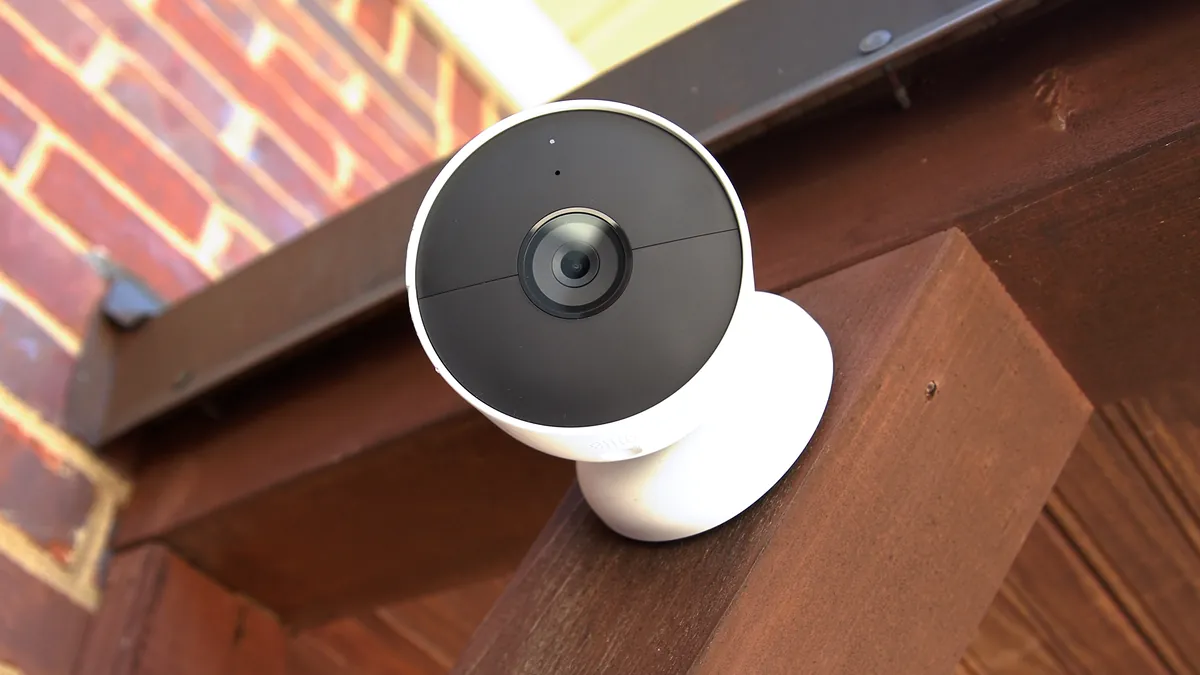
Why it fits: roadside and parking applications have no power at the ideal mount point, because the pole is exactly where the outlet is not. Traffic observation, intersection monitoring, car park entries and equipment yards along haul roads all run on solar 4G cameras for the same reason. The mounting point is the constraint, and the camera must be self-contained.
Config to spec (typical): a 4MP camera with a 6-12mm lens identifies vehicles and plates at 15-30m. Full-color night vision records vehicle color in zero light, which matters for hit-and-run and theft evidence. Panel 30-50W, battery 360Wh, and 4G event recording at 1.5-2 Mbps with person and vehicle filters. Use vandal-resistant housings and anti-theft brackets, because a road-facing camera is visible and reachable.
Watch out: motion density is the hidden cost. A busy road triggers hundreds of events a day, so budget 40-80GB per month, or use scheduled windows during low-traffic hours. Avoid aiming into the sun path, because dawn and dusk glare blinds the sensor at exactly the time traffic peaks. For permanent intersections with utilities close by, compare the SIM cost over five years against a one-time power run: within 50m of the grid, wired still wins.
Evidence quality is the reason full-color matters on roads: grayscale footage cannot answer what color the vehicle was or what the markings said, the details a police report needs. A 5MP full-color night vision camera with an F1.0 lens records those details in zero light, which is the difference between a warning and a prosecution.
Scenario 5: Forestry and Wilderness Perimeters
Why it fits: forestry sites, logging yards, equipment depots, trailheads and fire watch points are the most remote of all: no power, no network, and boundaries that move as logging moves. A solar camera on a tree or pole mount is often the only surveillance option, and its event-based recording fits sites that see traffic in bursts rather than continuously.
Config to spec (typical): winter is the design driver here. December sun hours collapse by 85-90% in mid-latitudes, so size the panel for the worst quarter. A 4W camera where winter sun is 1.5 hours needs roughly 100W of panel, a 360-720Wh battery, and LiFePO4 chemistry that charges down to -20C. Tilt the panel 45-60 degrees in snow regions so snow slides off. A low-traffic site runs happily on the 0.8 Mbps sub-stream and fits a 10-30GB plan.
Watch out: even 1-2cm of snow on the panel blocks essentially all output, so mount where morning sun hits the panel first. Wildlife triggers motion detection constantly, so use detection zones that ignore animals or accept the extra data. Trees grow: check the shade clearance in spring, not just on install day, because a branch that clears the panel in April shades it by August.
Forestry operators also use solar cameras for fire watch and equipment security in one pass. A camera on a high pole at the depot watches both the yard and the access road, and motion alerts with time stamps support insurance claims after storm or fire events. Event clips upload at sub-stream quality, so a month of operation can fit inside 10-30GB.
Scenario 6: Border and Perimeter Fences
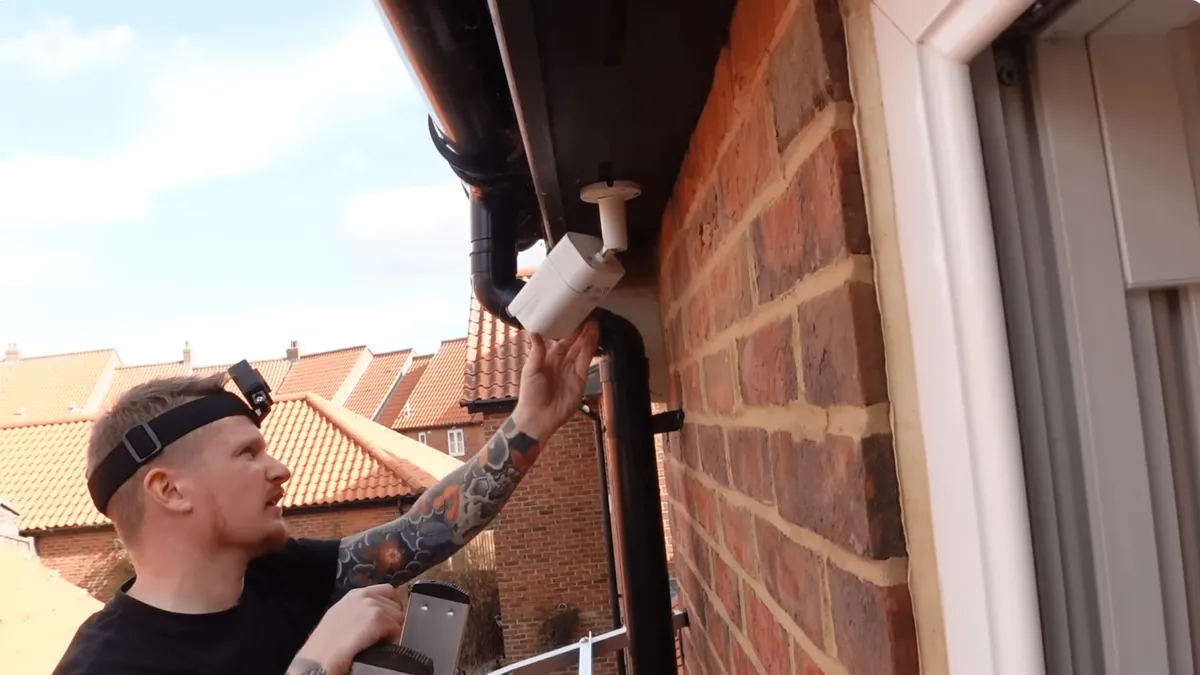
Why it fits: long perimeter fences, property lines, utility compounds, airports and national borders have the same problem at scale: the fence line is exactly where power and network end. Solar 4G cameras spaced along a fence create a monitored line without running a single cable, and the cameras relocate when the perimeter changes.
Config to spec (typical): spacing of 60-80m with 4MP resolution for vehicle and person identification. Dual-SIM units with a failover carrier are standard on border lines, because a dead carrier means a blind section until someone drives out to fix it. Panel 30W per camera, battery 360Wh, and event recording at 1.5 Mbps. Add camera-plus-siren or audio-out units at entry points so the deterrent works even when no one is watching the app.
Watch out: on long straight lines, stagger or angle the mounts so cameras do not blind each other with their own illuminators. Camera theft is a real risk on accessible fence lines, so spec anti-tamper alarms and lockable mounts. Maintenance drives are expensive, which is why remote diagnostics matter: RSSI reporting, battery voltage alerts and over-the-air firmware updates. A 500m fence with 8 cameras costs roughly $60-150 per month in SIMs, so budget connectivity as a line item, not an afterthought.
Some border installations pair the camera with a small solar siren module on the same pole, so an intrusion triggers light and sound locally even when the operator is hours away. The deterrent effect works whether or not the recording is watched in real time, and the event clip is already in the cloud when staff review it in the morning.
Scenario 7: Temporary Events and Pop-Up Sites
Why it fits: festivals, markets, film sets, pop-up retail and disaster response sites need security for days or weeks, then disappear. Nothing about the event is permanent, and the camera park moves between venues, which is the one thing a wired system cannot do. A solar camera deploys in 15-30 minutes on a tripod or trailer mount and packs down the same evening.
Config to spec (typical): portable kits with tripod or trailer mounts. A solar PTZ with 20x zoom on a trailer covers a festival field from one high point, drawing 6-12W, so it needs a 60-100W panel and a 720-900Wh battery for overnight autonomy. Use 4G event recording at 1.5-2 Mbps on a 50-100GB short-term plan, and keep local SD recording as a backup for venues with weak signal.
Watch out: schedule the deployment. Event cameras run only for the event window, so set recording schedules that match activity and save the battery between sessions. Confirm the mount is allowed, the panel gets sun (a stage shadow is a dead camera) and the SIM has coverage at the venue, which means checking RSSI on setup day. For hire and rental fleets, label every unit, log serial numbers and battery health before dispatch, and expect rough handling between venues.
Event organizers often treat the camera park as insurance rather than monitoring: the value is the recorded evidence if an incident happens, not the live view. That changes the spec: local SD storage becomes the priority, and a modest data plan is fine because nobody is watching the feed continuously.
Solar Camera Scenario Comparison Table
The table below summarizes the seven scenarios with typical hardware specs. All figures are typical values for the product class and depend on local sun hours and site activity; use them as a starting point for the power budget, not a guarantee.
| Scenario | Typical panel | Typical battery | Typical draw | 4G data profile |
|---|---|---|---|---|
| Farm and ranch | 30-60W | 360Wh | 4-6W | 0.8-1.5 Mbps events |
| Construction site | 60-100W | 720-900Wh | 6-12W (PTZ) | 1.5-2 Mbps events |
| Remote warehouse | 30W | 360Wh | 3-6W | 0.8-1.5 Mbps events |
| Road and parking | 30-50W | 360Wh | 4-6W | 1.5-2 Mbps events |
| Forestry and wilderness | 50-100W | 360-720Wh | 3-4W | 0.8 Mbps sub-stream |
| Border fence | 30W | 360Wh | 3-6W | 1.5 Mbps events, dual-SIM |
| Temporary event | 60-100W | 720-900Wh | 6-12W (PTZ) | 1.5-2 Mbps short-term |
← swipe to scroll →
The pattern is simple. Fixed low-draw sites run on 30W panels and 360Wh batteries. Anything with a PTZ or heavy night LED use needs 60-100W of panel and 720Wh or more of battery. Where the SIM bill is the concern, drop to sub-stream recording and SD-card local storage, which keeps most sites inside a 30-50GB plan.
Solar Camera Scenario Questions Buyers Ask
Where is a solar security camera actually worth it?
Anywhere the alternative is a power trench longer than about 100m, broadband is unavailable, or the site moves within a year: farms, construction sites, remote yards, fence lines and events. If the outlet is 10m from the pole, a wired camera is cheaper and better.
How many solar cameras do I need for a fence line?
Roughly one every 60-80m for vehicle and person identification at 4MP, so a 500m line is 6-8 cameras. Open fields need fewer cameras with longer lenses; wooded lines need more cameras and careful panel placement to avoid shade.
What happens to a solar camera in winter?
Two problems: 85-90% less harvestable sun and snow covering the panel. Size the panel for the worst quarter, tilt it 45-60 degrees in snow regions, use LiFePO4 batteries that charge down to -20C, and set 5-7 days of autonomy so the camera survives the longest cloudy stretch.
Can one solar camera cover a whole site?
Only with a PTZ, and even then partially. A solar PTZ sweeps a field from a high point, but identification needs the lens on the target, so high-value zones still need fixed cameras. Plan one PTZ for awareness plus fixed cameras for evidence.
The Bottom Line
The best use solar camera is the one matched to a site where power and network are the missing parts. Seven scenarios dominate the list: farms, construction sites, remote warehouses, roads and parking lots, forestry, border fences and temporary events. Each one wins with the same recipe: panel watts sized for the worst month at roughly 6-8x camera watts, a LiFePO4 battery holding 3-7 days of autonomy, and 4G data disciplined by event recording instead of continuous streaming. Get those three numbers right and a solar camera runs for years on a fence line with no power line, no cable and no one driving out to reset it.
At FULLCOLORCAM we build 5MP full-color night vision solar cameras with F1.0 lenses, plus 4G models with dual-SIM, deep-sleep power management and IP66 housings, every unit tested before shipping. Send us your site map, sun hours and camera count, and we will spec the panel, battery and data plan for your scenario. We would rather tell you a wired camera is the right answer than sell you a solar one that is not.
NEXT STEP
Ready to Upgrade to Full-Color Night Vision?
Send us your requirements — our team responds by email.
Written by
Ray ChanCCTV Buyer's Guide Author · Full-Color Night Vision Specialist. Ray helps global importers and integrators source factory-direct security cameras.