
Outdoor Security Cameras
Outdoor security cameras are weatherproof cameras for perimeters, yards and entry points — with full-color night vision, IR for pitch darkness, and power options from PoE to solar.
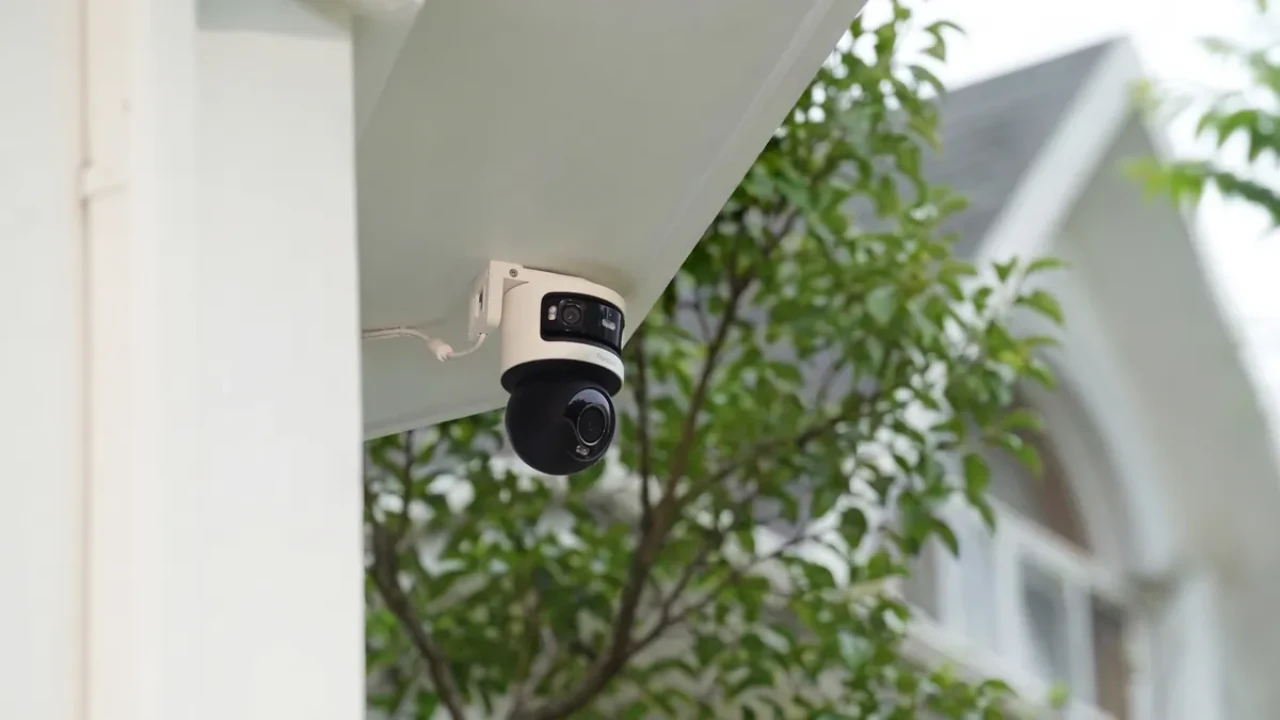
Product photos available on request — ask for samples or the full catalog.
Why Outdoor Security Cameras
Outdoor security cameras are weatherproof cameras for perimeters, yards and entry points — with full-color night vision, IR for pitch darkness, and power options from PoE to solar.
- Weatherproof housings rated for rain, dust and washdowns (IP grade confirmed per SKU on your quote)
- Full-color night vision that identifies faces and vehicles after dark
- Outdoor PTZ models with pan/tilt/zoom for large perimeters
- Power options: PoE, DC 12V, or solar + battery for off-grid sites
- 6KV surge protection on camera and cabling for lightning-prone areas
WHY OUTDOOR
Why Outdoor Security Cameras Are Different
The "outdoor waterproof camera" search usually comes from a buyer burned by a lens that fogged after one rainy season. The "ptz camera outdoor" search comes from someone with a large area to cover. This page covers both — and everything between.
1
Built to take the weather
Outdoor cameras live inside weatherproof housings — the IP grade of the exact SKU is confirmed on your quote — with sealed cable glands and UV-stable materials. Typical units run from -30°C to +60°C, so rain, frost and direct sun do not shorten their life.
2
Night vision that identifies
Full-color low-light sensors keep faces and vehicle colors readable after sunset. IR illumination covers pitch-dark zones, with typical fixed cameras reaching 30-50m and PTZ models going further.
3
Deterrence you can see
A camera mounted at the perimeter changes behavior before an incident happens. Visible outdoor coverage, especially PTZ that moves on patrol, is the cheapest security layer you will buy.
OUTDOOR SELECTION MATRIX
Match IP Rating, Night Range and Power to Your Site
The "best outdoor security cameras 2025" lists change every year, but the selection logic does not. Match three factors — IP rating, night vision range and power supply — to your site, and the right camera chooses itself.
| Decision factor | Residential yard | Business perimeter | Remote and off-grid |
|---|---|---|---|
| IP rating | IP65-IP66 typical | IP66 | IP66, plus IP65-rated solar panel |
| Night vision range | 30m IR or full-color typical | 50-100m IR on PTZ typical | Full-color low-light or 30m IR typical |
| Power supply | DC 12V or PoE | PoE with UPS on the switch | Solar + battery, or 4G |
| Data link | WiFi or PoE | PoE, wired | 4G cellular |
| Best for | One or two entry points | Fence lines, parking, loading docks | No power, no cable sites |
Rule of thumb: IP66 covers almost every outdoor site. Buy at least 30m of night range for a typical yard, and choose PoE whenever cable can reach the camera.
OUTDOOR SPECS
Key Specs to Compare on Outdoor Cameras
Weatherproofing
Dust-tight against powerful water jets. Look for sealed cable glands and a drain hole in the housing so moisture cannot pool around the lens.
Full-color night vision
F1.0-aperture lenses with high-sensitivity sensors keep color down to a typical 0.001 lux. Units with IR arrays switch to black-and-white in complete darkness.
6KV surge protection
Lightning does not have to strike the camera to damage it. TVS surge protection on the camera and PoE path handles induced surges from nearby strikes.
Fast, flexible mounting
Wall brackets, pole mounts and junction boxes suit most sites. A three-axis adjustable bracket lets you aim the camera without re-drilling holes.
FACTORY DIRECT
OEM / ODM for Integrators and Distributors
FULLCOLORCAM manufactures outdoor cameras directly. That means private label, custom firmware and volume pricing that retail brands cannot match:
- Private label: your brand on camera, housing; the Seetong app stays factory-standard
- OEM on existing lines: lead time confirmed per order, no MOQ for mixed orders
- ODM customization: firmware options, UI, logo splash, night-vision tuning
- Outdoor housing options: color, silk-screen logo, bracket variants for your lines
- Volume pricing 30-50% below retail brands at container scale
- Full shipping & product documentation tailored to your destination's clearance
FAQ
Questions Buyers Ask
What does IP66 mean for an outdoor camera?
IP66 means dust-tight and protected against powerful water jets. It suits wall- and pole-mounted cameras in rain, snow and washdown areas. IP67 adds temporary immersion; IP65 only resists light spray.
How far can outdoor security cameras see at night?
With IR illumination, typical fixed cameras reach 30-50m and outdoor PTZ models 100m or more. Full-color models see further in moonlight but need some ambient light. Match range to the zone you must identify, not just detect.
Which power supply is best for outdoor cameras?
PoE is the default for new installs: one cable, central UPS protection and remote reboot. DC 12V works when cable runs are short. Solar plus battery suits off-grid or temporary sites.
Do outdoor cameras need an outdoor-rated network switch?
Cameras need a switch rated for their environment, or a weatherproof enclosure for a standard PoE switch. Outdoor-rated PoE switches add surge protection and wider temperature tolerance. Use 6KV surge protection on long outdoor cable runs.
Can a regular indoor camera be used outdoors?
No. Indoor housings lack IP ratings, so moisture condenses inside the lens and temperatures exceed rated ranges. Use a camera rated for outdoor exposure, or protect indoor units in a weatherproof housing.
Do full-color night vision cameras need extra light?
Most rely on large-aperture lenses (F1.0 typical) and high-sensitivity sensors to stay colorful in moonlight. In pitch darkness they switch to built-in white LEDs or IR. Check the lux rating and IR distance in the spec sheet.
What resolution should an outdoor security camera have?
4MP and 5MP are the typical sweet spot for identification. 2MP works for small yards; 4K gives wider scenes at the cost of storage. Higher resolution matters most when you need to read plates or faces at range.
Fixed, PTZ or WiFi: which outdoor camera should I choose?
Fixed cameras cover one zone cheaply and reliably. PTZ covers large perimeters but costs more and needs good network bandwidth. WiFi suits rented or finished sites; wired PoE stays the most reliable option.