
Warehouse CCTV & Logistics Security
CCTV for warehouses that keeps docks, aisles and racking under full-color watch after dark. Plan placement zone by zone, match cameras to each coverage goal, then buy factory-direct — built for logistics managers, integrators and distributors.
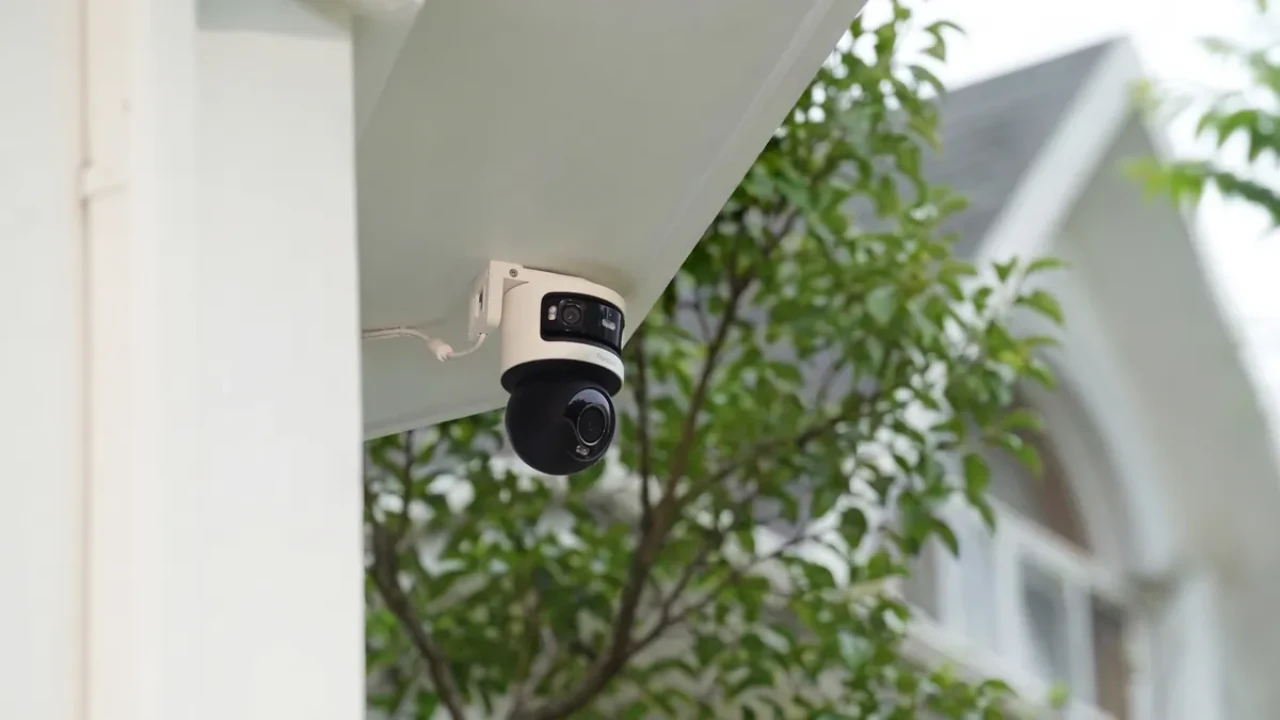
Site photos available on request — ask for case studies or the full catalog.
Why Warehouse CCTV & Logistics Security Needs CCTV
CCTV for warehouses that keeps docks, aisles and racking under full-color watch after dark. Plan placement zone by zone, match cameras to each coverage goal, then buy factory-direct — built for logistics managers, integrators and distributors.
- Full-color coverage in dark warehouses and loading docks
- Zone-by-zone layout: docks, aisles, racking, exits
- Motion alerts cut hours of footage review
- Local NVR recording — no subscription, no cloud fees
- PoE wiring: one cable per camera, low install cost
WHY WAREHOUSE CCTV
Why Warehouses Need CCTV
1
Loss prevention
Theft, shrinkage and missing stock cost more than the camera system. Footage from docks and racking ends also settles cargo damage disputes with carriers. A claim without video is a negotiation; with video it is a fact.
2
Safety & compliance
Forklift incidents, near misses and slip-and-fall claims are easier to investigate with recorded evidence. Insurers and auditors accept timestamped footage for incident review and compliance checks.
3
Operations
Logistics real-time video surveillance lets the office watch docks, gates and aisles live. Spot bottlenecks, confirm trailer arrivals and keep a permanent record of what moved when — logistics runs on proof, not memory.
CAMERA PLACEMENT
Warehouse Camera Placement: A Zone-by-Zone Layout
Distribution video security is bought zone by zone, not square foot by square foot. Each area of a warehouse has one coverage goal and one camera recipe — the table below is the layout shortcut.
| Zone | Camera & mount | What it covers | Key spec | Rule of thumb |
|---|---|---|---|---|
| Loading dock doors | Bullet per door, mounted on the truss facing the door plane | Trailer plates, pallet labels, dock seals, loading crews | 5MP + full-color night vision | One per two doors; per door on high-value lines |
| Long aisles | Bullet with narrow field of view, mounted along the racking spine | The full aisle run, end to end | 6mm or varifocal lens | One per 30-50 meters of aisle |
| Racking ends & pick zones | Dome, ceiling-mounted at aisle intersections | Faces at pick locations, stock movement between racks | Wide-angle 2.8mm | One per aisle intersection |
| Entry & exit points | Dome or bullet mounted overhead | Faces, badges, carts and goods passing through | Wide-angle, indoor-rated | One per door, both sides if traffic is two-way |
| Goods yard & perimeter | Bullet, IP66-rated on wall or pole | Trailers, vehicles and yard traffic after hours | IP66 + night vision | One per bay or per 50 meters of fence line |
Rule of thumb: docks and exits cover money movement, aisles cover faces, racking ends cover hands. If a zone has no clear coverage goal, it does not need a camera.
KEY SPECS
Key Specs for Warehouse Cameras
Resolution
4MP to 5MP is typical for most zones; 4K helps when you must read pallet labels at distance. H.265 encoding roughly halves bandwidth and storage versus H.264.
Night vision
Full-color low-light models keep color after dark with large sensors and fast lenses. IR models record black-and-white. Docks and yards run 24/7, so color evidence matters.
Storage
An NVR records locally to hard drives with no subscription. Plan 40-60 GB per camera per day at typical settings, and 30-60 days of retention for dispute resolution.
PoE
One cable carries power and data, up to 100 meters per run. PoE+ supports PTZ and heater-equipped cameras. A UPS on the switch keeps the whole system alive in an outage.
FACTORY DIRECT
OEM / ODM for Integrators and Distributors
FULLCOLORCAM manufactures warehouse cameras and recorders directly. That means private label, custom firmware and volume pricing that retail brands cannot match:
- Private label: your brand on the camera and box; the Seetong app stays factory-standard
- OEM on existing lines: lead time confirmed per order, no MOQ for mixed orders
- ODM customization: firmware options, UI, logo splash
- Volume pricing 30-50% below retail brands at container scale
- Sample units at unit price before volume, pre-shipment inspection available
- Full shipping & product documentation tailored to your destination's clearance
FAQ
Questions Buyers Ask
How many cameras does a warehouse need?
A typical cctv warehouse runs 8-32 cameras, depending on floor area and layout. Count zone by zone: one per two dock doors, one per 30-50 meters of aisle, plus racking ends, exits and the yard.
Which camera type works best in long aisles?
Bullet cameras with a narrow field of view, or a varifocal lens, see farther down an aisle. Dome cameras suit ceiling mounts at intersections where wide coverage matters more than distance.
Can warehouse cameras record in the dark?
Yes. Full-color low-light models keep color at night with large sensors and fast lenses. IR models switch to black-and-white. Docks and yards run 24/7, so color evidence helps settle disputes.
Where exactly should cameras be placed?
Cover the loading dock first, then aisle intersections, racking ends, entry and exit points, and the goods yard. Camera placement follows traffic and blind spots, not square footage.
Do I need an NVR for warehouse CCTV?
Yes for most sites. An NVR records locally with hard drives and needs no subscription. Live viewing, playback and motion alerts run through the companion app or the office workstation.
How much storage does a warehouse system need?
A 4MP camera recording 24/7 at typical H.265 bitrate uses roughly 40-60 GB per day. Estimate 30-60 days of retention, then size the hard drives accordingly.
What is distribution video security for warehouses?
It is CCTV focused on goods movement: docks, trailers, staging areas and gates. The goal is verifying what arrived, who moved it and when it left — the footage trail behind every shipment.
What does logistics real-time video surveillance mean?
It means the office watches docks, gates and aisles live while operations run. Managers spot bottlenecks, confirm trailers and respond to incidents during the shift, not the next morning.