
What Is a PoE Camera? Power over Ethernet Explained for CCTV Buyers
Table of Contents
What Is PoE?
PoE — Power over Ethernet — delivers both data and electrical power over a single network cable. For CCTV buyers, this means each camera needs one cable instead of two: no separate power adapter, no nearby outlet, no messy cable runs.
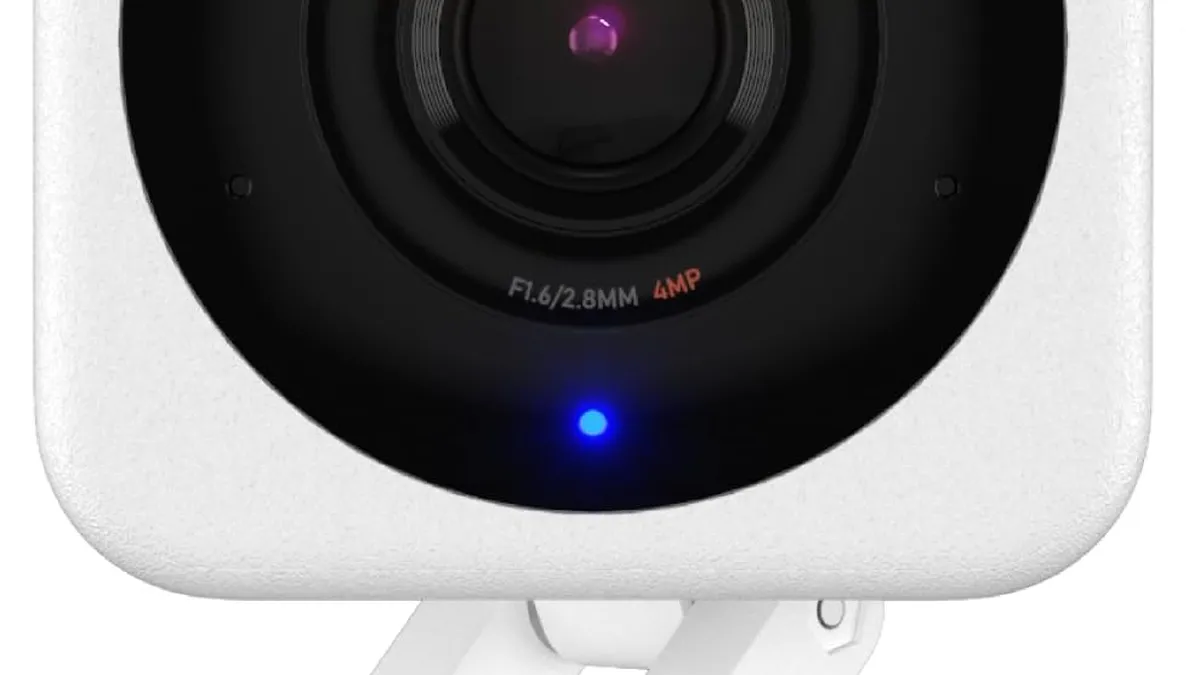
A PoE camera receives power from the network switch itself. A standard IEEE 802.3af/at PoE switch or injector sends 48V DC down the same Ethernet pairs that carry the video stream, and the camera steps it down to what the sensor board needs.
That single-cable design is why PoE dominates commercial IP camera installations — from small shops to 64-channel warehouse systems.
How It Works
The chain is simple: camera → Ethernet cable → PoE switch or NVR → recorder / cloud. The switch or NVR supplies power to each port, so the camera has nothing to plug in but the cable.
- PoE switch — powers and networks multiple cameras; typical for 4–16 camera sites.
- PoE NVR — recorder with built-in PoE ports; one box handles power, recording and remote access. This is the setup we ship in most camera + NVR kits.
- PoE injector — adds power to a single camera when you already have a non-PoE network.
Because the video travels over the same wire, installation is faster and the system is easier to maintain: no power adapters to fail, no floating ground loops, no voltage drop over long runs when you use a proper switch.

PoE vs WiFi
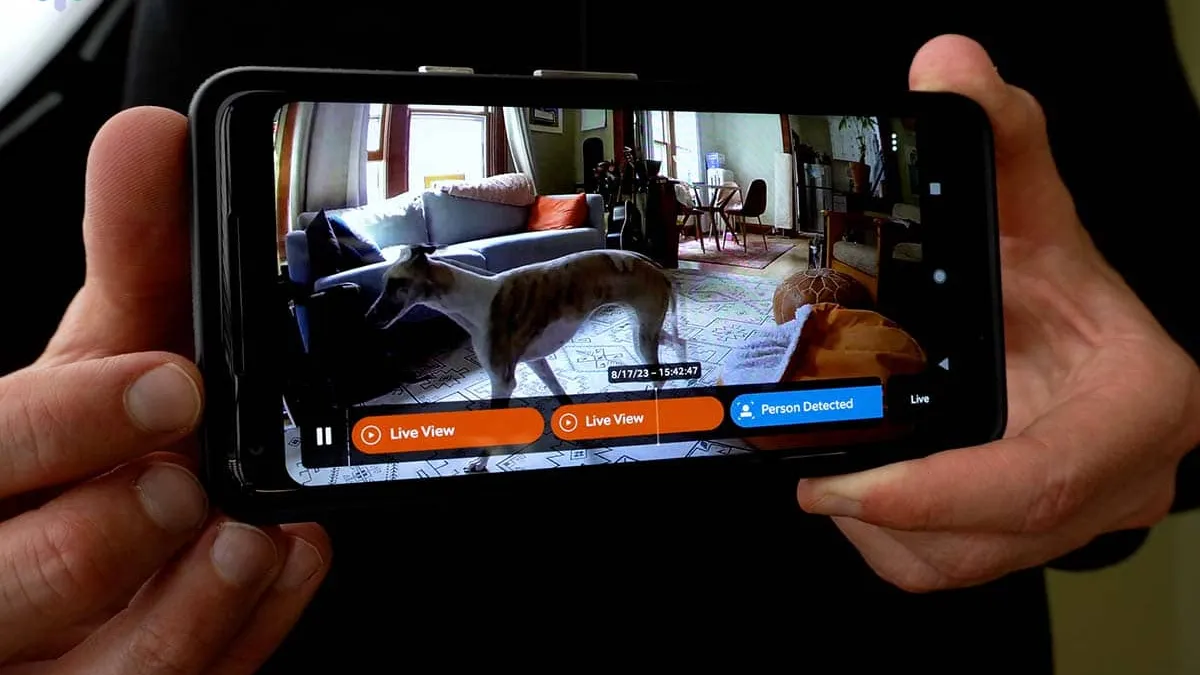
Wireless cameras trade reliability for convenience. WiFi is fine for a few cameras on a strong home network; it struggles when you need consistent 24/7 recording on a commercial site — walls, interference and channel congestion drop frames, and dropped frames are lost evidence.
PoE wins on uptime: the link is physical, power is always on, and bandwidth is dedicated per port. If your requirement is "record everything, all the time, and be able to prove it," PoE is the safer architecture.
Choose WiFi for retrofit flexibility (rental spaces, temporary sites) and PoE for anything that must record reliably.
PoE vs AHD / Analog
Analog-over-coax (AHD/TVI/CVI) systems reuse existing coaxial cable and are the cheapest way to upgrade an old analog site — the camera changes, the cable stays. Resolution tops out around 5MP and each camera still needs a separate power feed.
PoE IP cameras scale further (up to 12MP+), integrate with ONVIF platforms, and simplify cabling because power rides the same line. For new installations, PoE IP is the standard recommendation; AHD remains the budget path for legacy coax sites.
Both are in our catalog — tell us what cable infrastructure your site has and we'll match the right system.
PoE vs WiFi vs AHD: Decision Table
Three architectures dominate CCTV. This table condenses the trade-offs for a buyer comparing quotes.
| Factor | PoE (IP) | WiFi (IP) | AHD (Coax) |
|---|---|---|---|
| Power | One cable — power rides the Ethernet line (48V DC) | Needs a nearby outlet or battery/solar plan | Separate power feed per camera |
| Cable distance | Up to 100 m per Ethernet run | Limited by signal strength and line of sight | 200-300 m on RG59/RG6 coax |
| Resolution | Scales to 12MP+ and beyond | Depends on model and link quality | Tops out around 5MP |
| 24/7 reliability | Physical link, always-on power — strongest | Drops under walls, congestion and interference | Stable, but analog signal degrades over long runs |
| Integration | ONVIF, VMS platforms, NVR ecosystems | ONVIF on most models, app-based remote view | DVR-bound, limited third-party integration |
| Best fit | New commercial installs that must record 24/7 | Retrofit, rentals and sites where cabling is hard | Legacy coax sites on a budget upgrade path |
← swipe to scroll →
Power sizing for PoE sites is covered in our PoE switch guide; the wireless trade-offs are detailed in the WiFi camera guide.
What to Look For
Before you order PoE cameras in volume, check these five points:
- PoE standard — 802.3af (15.4W) covers most fixed cameras; 802.3at (30W) for PTZ and heated models. Confirm your switch or NVR supports the camera's class.
- ONVIF compliance — guarantees the camera works with third-party NVRs and platforms, not just one vendor's ecosystem.
- Night vision type — IR switches to black & white; full-color low-light sensors (0.1 Lux @ F1.0, like our full-color series) keep color at night.
- Surge protection — look for network surge protection (6KV common mode is the industrial grade) on outdoor runs.
- Remote access — the companion app gives zero-config P2P access from iOS/Android/Windows without port forwarding.
PoE FAQ
What cable do I need for PoE?
Cat5e or Cat6, with runs up to 100 meters per the IEEE 802.3af/at standard. For longer distances, use fiber with media converters or switch segments.
Can I use a PoE camera with my regular switch?
Yes, with a PoE injector between the switch and the camera — it adds power to the port without changing the switch. Video flows the same; the injector only puts 48V DC on the data pairs.
Are PoE and NVR the same thing?
No. A PoE NVR is a recorder with a built-in PoE switch — one box that powers the cameras and records. A standalone NVR needs a separate PoE switch. See our full NVR guide for the difference.
How much power does PoE actually deliver?
802.3af delivers up to 15.4W per port (typical for fixed cameras); 802.3at (PoE+) up to 30W (PTZ, heaters, wipers). Add up the draw of all cameras and keep 20% headroom in the switch budget.
Does a PoE camera need a subscription?
No. It records locally (SD card or NVR) and offers free P2P remote access through the app. Cloud subscriptions are optional, never a requirement.
Next Step
Not sure whether PoE, WiFi or AHD fits your project? Send us the site details — camera count, cable situation and coverage area — and our engineers will recommend the right architecture; you will get a reply by email. Browse the PoE camera product range for factory-direct specs and pricing.
NEXT STEP
Ready to Upgrade to Full-Color Night Vision?
Send us your requirements — our team responds by email.
Written by
Ray ChanCCTV Buyer's Guide Author · Full-Color Night Vision Specialist. Ray helps global importers and integrators source factory-direct security cameras.