
Industrial CCTV Systems for Factories
Industrial CCTV systems for factory floors and harsh environments: IP66 dust-tight cameras, wide temperature tolerance, 6KV surge protection, full-color night vision for 24/7 production monitoring. Factory-direct OEM/ODM for integrators.
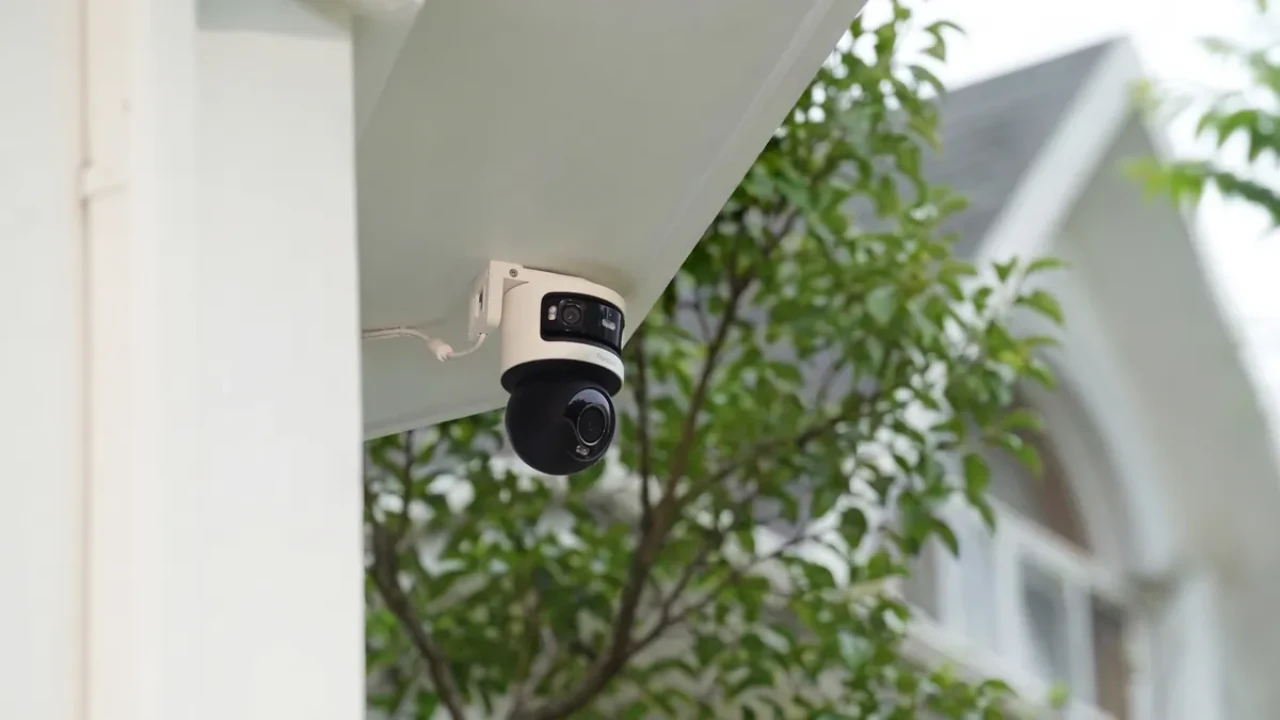
Site photos available on request — ask for case studies or the full catalog.
Why Industrial CCTV Systems for Factories Needs CCTV
Industrial CCTV systems for factory floors and harsh environments: IP66 dust-tight cameras, wide temperature tolerance, 6KV surge protection, full-color night vision for 24/7 production monitoring. Factory-direct OEM/ODM for integrators.
- IP66 sealed housings: dust-tight against grinding, powder and washdown zones
- Wide temperature tolerance: -20°C to +55°C typical operating range
- 6KV surge protection on power and network lines
- PTZ with up to 36x zoom for large factory floors and yards
- Full-color night vision for 24/7 production monitoring
WHY INDUSTRIAL CCTV
Why Factories Run Industrial CCTV
Industrial CCTV systems do three jobs on a factory floor. A complete industrial cctv system protects the perimeter, records what happens on the line, and shows management how the plant runs.
1
24/7 line visibility
Production lines run around the clock in most plants, and so do the cameras. When a machine stops, a batch is rejected or an incident happens, footage shows what actually occurred. Industry studies commonly price unplanned downtime in the tens of thousands of dollars per hour. Cameras that prove root cause pay for themselves fast.
2
Evidence for safety and disputes
Industrial accidents and labor disputes end up before insurers, inspectors and labor boards. Full-color footage records faces, clothing, machine state and timestamps, and those details decide liability. A factory camera system that captures usable evidence is standard practice in modern plants.
3
Operations and audit trail
The same cameras show workflow, forklift traffic, gate access and shift handovers. Managers use the footage for continuous improvement, and compliance audits run faster with a recorded trail of who was where and when. For many plants this footage feeds a wider manufacturing cctv strategy that connects multiple buildings.
FACTORY CAMERA SELECTION
Factory Environment Camera Selection Table
Factory camera selection starts with the environment, not the resolution. Dust, heat, washdown and outdoor exposure change what a camera must survive. Buyers searching for "industrial network video recorder tampa" or complete "outdoor industrial cctv systems" end up comparing the same five zones.
| Factory zone | Recommended camera | Housing and rating | Temperature and power | What it covers | Priority |
|---|---|---|---|---|---|
| Gate and perimeter | Bullet, or PTZ with zoom | IP66, sun shield | -20°C to +55°C, 6KV surge | Vehicles, loading docks, entry control | Highest |
| Production floor | Dome or turret | IP66, ceiling mount | 12V DC or PoE | Line operation, workstation disputes | Highest |
| Dust-heavy zones | Sealed bullet or turret | IP66 dust-tight, gasketed | Wide-voltage input | Grinding, powder, cement handling | High |
| High-heat zones | Bullet away from heat source | Metal housing, ventilated | Wide-temperature rating typical | Furnaces, kilns, drying lines | High |
| Warehouse and racking | Varifocal bullet or PTZ | Standard housing | PoE from central switch | Inventory movement, forklift traffic | Medium |
Rule of thumb: cover the gate and the production line first, then the yard and the warehouse. In any zone with dust or heat, the housing and ingress rating matter more than the sensor.
Budget planning follows the same order. Start with a factory cctv system for the priority zones above, then scale as the plant grows.
KEY SPECS
Specs That Matter on a Plant Floor
Ingress and dust protection
IP66 is the typical rating for factory cameras: dust-tight and protected against strong water jets. Powder lines and washdown zones need sealed gasketed housings, and IP6X dust-tightness keeps grinding dust out of the lens.
Temperature tolerance
The typical operating range is -20°C to +55°C. Near furnaces or ovens, mount cameras away from direct heat with ventilated housings. Cold-storage sites can add optional heaters.
Power and surge protection
6KV surge protection is typical on industrial power and network lines, where switching loads and lightning cause voltage events. Wide-voltage input (12V DC, 24V AC or PoE) and a UPS on the switch keep the system recording through disturbances.
Resolution and night vision
4MP to 5MP sensors are typical for reading faces and forklift tags at practical distances. Full-color night vision keeps color after dark, while IR models cover 30-40m in total darkness. H.265 encoding roughly halves storage versus H.264. Motion-aware manufacturing smart cameras reduce alerts on forklifts and moving machinery.
FACTORY DIRECT
OEM / ODM for Industrial Integrators and Distributors
FULLCOLORCAM manufactures industrial cameras and recorders directly. That means private label, custom firmware and volume pricing that retail brands cannot match:
- Private label: your brand on the camera and box; the Seetong app stays factory-standard
- Industrial camera lines: bullet, dome, turret and PTZ models under one brand
- OEM on existing lines: lead time confirmed per order, no MOQ for mixed orders
- ODM customization: firmware options, UI, logo splash
- Volume pricing 30-50% below retail brands at container scale
- Sample units at unit price before volume, pre-shipment inspection available
- Full shipping & product documentation tailored to your destination's clearance
FAQ
Questions Buyers Ask
What is industrial CCTV?
Industrial CCTV is a surveillance system built for factories, plants and warehouses: hardened housings, wide temperature tolerance, dust and water protection, and surge protection on power lines. The hardware is selected for 24/7 duty in conditions that would wear out residential cameras quickly.
What IP rating do factory cameras need?
IP66 is the typical minimum for factory and outdoor industrial cctv systems: dust-tight and protected against strong water jets. Zones with grinding dust or powder need sealed gasketed housings, and washdown areas benefit from an IP67-rated unit.
Can cameras survive high temperatures on a plant floor?
Typical industrial cameras operate from -20°C to +55°C. Mount them away from direct heat sources and use ventilated housings near furnaces or ovens. Extreme zones may need specialized enclosures, so check the rating with your integrator.
How many cameras does a factory need?
A typical medium plant starts with 16-32 channels: gate, perimeter, production lines, yard and warehouse. Plan zone by zone, cover the gate and the lines first, and use a 64-channel NVR so expansion does not require a second recorder.
Why is 6KV surge protection important for industrial CCTV?
Industrial mains carry switching loads, heavy motors and lightning-induced events that can damage unprotected electronics. Surge protection on power and network lines absorbs those spikes so cameras and the NVR keep running.
Do industrial cameras record at night and in dark warehouses?
Yes. Full-color night vision keeps color detail in low light with ambient illumination, and IR models cover 30-40m in total darkness. For 24/7 monitoring, choose full-color units for areas with any light and IR for blacked-out zones.
Can factory cameras handle dust and vibration?
Dust is handled by IP66 sealed housings with gaskets. For vibration, mount cameras on structural steel or walls rather than on machines, and choose IK10-rated housings in rugged zones if impact resistance is required.
Can I watch the plant remotely from anywhere?
Yes. Cameras and NVRs stream live and playback video through the app from anywhere. Multi-site operators group plants in one app, and local storage on the NVR keeps recording with no cloud subscription.