
Solar Powered Security Cameras
Solar powered security cameras run on solar panel and battery power, with 4G for networking and full-color night vision — no mains wiring needed.
Sourced on demand through our supply network — this line is not part of our stocked range. Availability, configuration and lead time are confirmed per project: tell us the site, the quantity and the destination, and we come back with what can actually be supplied and when.
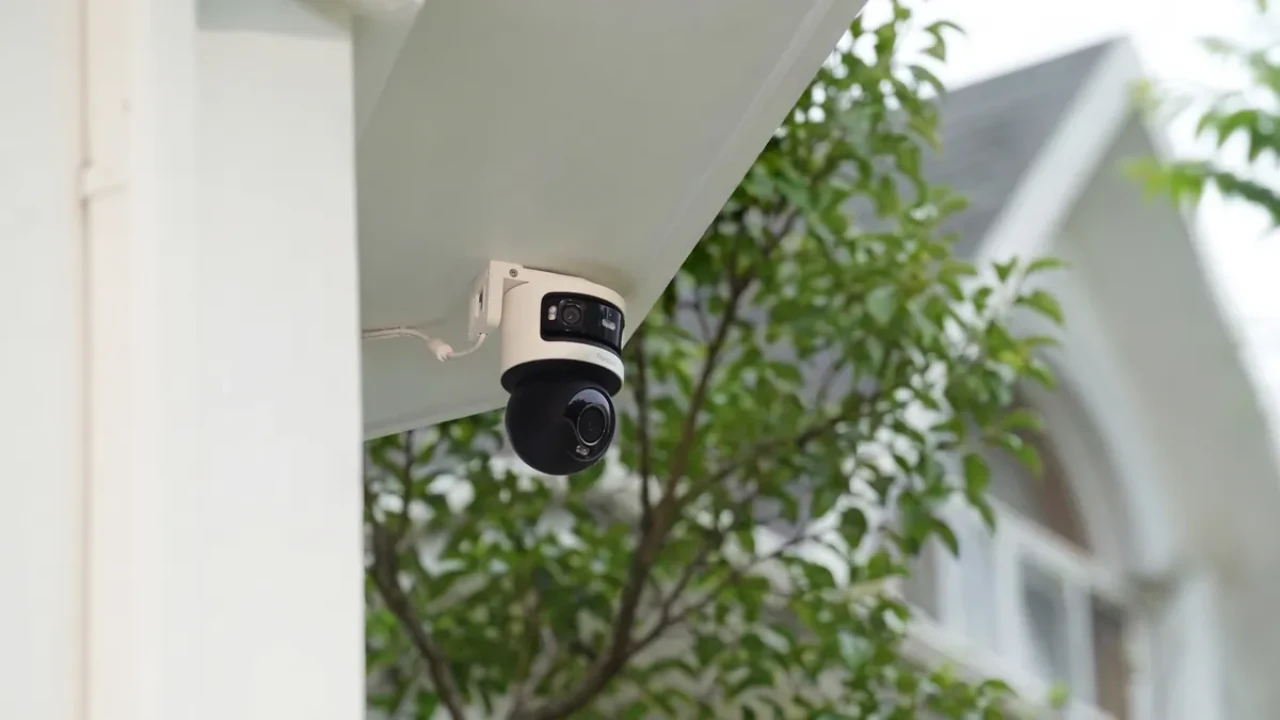
Product photos available on request — ask for samples or the full catalog.
Why Solar Powered Security Cameras
Solar powered security cameras run on solar panel and battery power, with 4G for networking and full-color night vision — no mains wiring needed.
- Self-sufficient power: solar panel and rechargeable battery, no mains wiring
- Built-in 4G LTE with SIM slot — works where WiFi and cable cannot reach
- Full-color night vision powered by the battery bank
- LiFePO4 battery option: 2,000+ charge cycles and -20°C operation (typical spec)
- Pole-mountable and relocatable: move a camera without re-cabling
SOLAR SERIES · WHY SOLAR
Why Go Solar for Security Cameras
The solar camera category solves one problem: video coverage where mains power does not exist. Panel and battery replace the cable run, and 4G replaces the network.
1
Off-grid power
A solar panel tops up the battery every day. The camera runs on stored power at night and in shade. No mains connection, no power bill, no trench.
2
Install in minutes, relocate anytime
No cable runs and no electrician for low-voltage work. Mount the pole, aim the panel, insert the SIM. Moving a camera later means lifting it off the pole.
3
4G networking anywhere
Solar cameras carry their own network. A 4G LTE module and SIM slot connect them where WiFi and Ethernet cannot reach — fields, yards, containers and remote sites.
SOLAR POWER SIZING
Solar Panel and Battery Sizing: The Math Product Pages Skip
Most listings state panel wattage and battery capacity as raw specs. This table shows what those numbers actually buy you: daily energy, recharge margin and cloudy-day autonomy. Values are typical — latitude, season and sun hours change every result.
| Camera type | Average draw (typical) | Daily energy | Solar panel | Battery | Cloudy-day autonomy |
|---|---|---|---|---|---|
| Event-triggered battery camera (motion wake) | ~0.5 W | ~12 Wh | 6 W | 10,000 mAh (37 Wh) | ~3 days |
| Full-color 4G camera, live view and event recording | ~2 W | ~48 Wh | 20 W | 20,000 mAh (74 Wh) | ~1.5 days |
| Always-on full-color camera or PTZ with heater | ~6 W | ~144 Wh | 50-60 W | 40,000 mAh (148 Wh) | ~1 day |
Three formulas size any site. Panel wattage = daily Wh ÷ (peak sun hours × 0.75). Battery Wh = daily Wh × autonomy days ÷ 0.8 usable depth. Autonomy days = battery Wh ÷ daily Wh. Use 3-5 peak sun hours for your region. Event-triggered recording cuts average draw 3-6x, which is why battery cameras stretch weeks between charges.
Send us your site's sun hours and camera count — our engineers run the full calculation before quoting.
KEY SPECS
What to Check in the Spec Sheet
Solar panel power
Monocrystalline panels from 6 W to 60 W are typical across the series. IP65-rated glass survives the weather. A tiltable mount aims the panel at the sun.
Battery capacity
10,000 to 40,000 mAh (37-148 Wh) is the typical range. Recharge takes 4-6 sun hours. Capacity decides how many overcast days the camera keeps working.
LiFePO4 chemistry
Lithium iron phosphate beats standard Li-ion outdoors: 2,000+ charge cycles, 80-90 percent usable depth and operation to -20°C (typical). It is the safer choice for year-round solar.
4G data use
A 1080p event clip runs 5-15 MB (typical). Event-only recording uses roughly 300 MB to 1 GB per camera per month. Live view streams more — budget accordingly.
FACTORY DIRECT
OEM / ODM Solar Cameras for Integrators and Distributors
FULLCOLORCAM manufactures solar cameras and panels directly. That means private label, custom power specs and volume pricing that retail brands cannot match:
- Private label: your brand on camera, panel, box; the Seetong app stays factory-standard
- OEM on existing lines: lead time confirmed per order, no MOQ — mixed solution orders welcome
- ODM customization: panel wattage, battery capacity and firmware pre-configuration
- Volume pricing 30-50% below retail brands at container scale
- Sample units at unit price before volume, pre-shipment inspection available
- Full shipping & product documentation tailored to your destination's clearance
Looking for a full system?
This line is sourced on demand. Our stocked range — bullet, dome and PTZ cameras, NVR recorders and complete PoE systems — is what we deliver today, with no MOQ on mixed solution orders.
FAQ
Questions Buyers Ask
How does a solar security camera get power at night?
The solar panel charges the battery during the day. The camera runs on stored power at night, in shade and during overcast weather. Panel size is matched to the camera draw so the battery refills daily.
How long do solar camera batteries last on one charge?
It depends on how the camera records. Event-triggered cameras use roughly 12 Wh per day and run days to weeks per charge. Always-on full color draws more. Typical batteries run 10,000 to 40,000 mAh (37-148 Wh).
Do solar cameras work on cloudy or rainy days?
Yes, for the days of autonomy in the sizing table. Heavy overcast cuts panel output by roughly 70-90 percent, so the battery carries the camera. Longer sunless stretches need a larger battery or a smaller average draw.
Do solar cameras need WiFi?
No. 4G models carry their own network through a SIM card and work anywhere with cellular coverage. WiFi battery models, such as the "tuya wifi battery solar camera" long-tail, exist for homes with a strong router signal.
How much 4G data does a solar camera use?
A 1080p event clip runs 5-15 MB (typical). Event-only recording uses roughly 300 MB to 1 GB per camera per month. Live view streams more, so budget data for the apps you leave open.
Can a solar camera record 24/7?
Yes, but continuous recording raises average draw by 3-6x. The panel and battery must be sized for it. For most off-grid sites, motion-triggered recording is the recommended balance of coverage and power.
Do solar cameras work in cold climates?
LiFePO4 batteries operate to -20°C (typical), which suits most winter sites. Winter brings fewer sun hours, so autonomy shortens. Size the system for the weakest month, not the summer average.
Can I buy solar cameras under my own brand?
Yes. FULLCOLORCAM is the manufacturer, so private label, custom panel wattage, battery capacity and firmware pre-configuration are available (the Seetong app stays factory-standard). MOQ starts from 10 units on existing lines.