
4G & Cellular Security Cameras
4G video surveillance cameras replace broadband with a cellular connection — insert a nano SIM, add a data plan, and any site with coverage gets live monitoring. True cellular security cameras work on farms, construction sites and temporary locations where wired internet is unavailable.
Sourced on demand through our supply network — this line is not part of our stocked range. Availability, configuration and lead time are confirmed per project: tell us the site, the quantity and the destination, and we come back with what can actually be supplied and when.
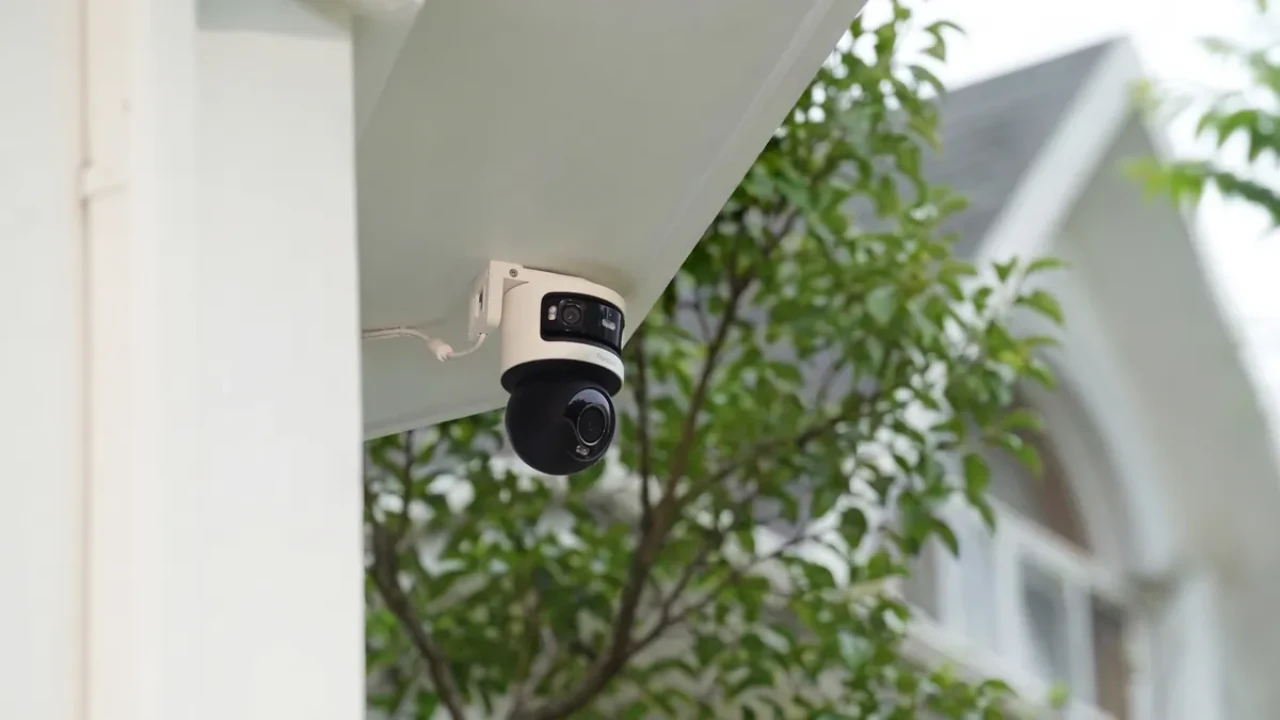
Product photos available on request — ask for samples or the full catalog.
Why 4G & Cellular Security Cameras
4G video surveillance cameras replace broadband with a cellular connection — insert a nano SIM, add a data plan, and any site with coverage gets live monitoring. True cellular security cameras work on farms, construction sites and temporary locations where wired internet is unavailable.
- Works anywhere with cellular coverage — no broadband, WiFi or ISP contract needed
- Nano SIM slot per camera; dual-SIM models switch carriers automatically
- PIR event recording keeps data use at 0.2-1 GB per day — see the cost table below
- Solar panel and battery input for fully off-grid operation
- Remote live view from the app over any internet connection
WHY 4G
Where Cellular Security Cameras Earn Their Keep
A 4G camera is not a replacement for every camera. It is the right camera when the site has no broadband, when the site moves, or when waiting for an ISP install is not an option.
Off-grid farms and ranches
Fields, barns, gates and outbuildings sit far from the router. A solar-powered 4G camera needs only coverage — no trenching, no power line, no monthly ISP contract. Check livestock, equipment and entry points from the app.
Mobile construction sites
Power and network move with the site. When the crew moves to the next lot, the cameras move too. Cellular keeps the site monitored from day one, and the data plan ends when the project does.
Temporary and seasonal sites
Events, pop-up retail, holiday properties, equipment yards and disaster-response posts. Deploy in minutes, monitor for weeks, then pack up. No cabling to remove and no contract to cancel.
DATA COST
4G Data Usage and Cost, Calculated
Most buyers ask \"how much data does a 4G security camera use\" after the first bill arrives. The answer is arithmetic: bitrate times hours. The table below turns recording mode into gigabytes, and gigabytes into plan size.
| Recording setup | Typical bitrate | Data per day | Data per month | Which plan fits |
|---|---|---|---|---|
| PIR event recording (10-30 clips per day) | On demand | ~0.2-1 GB | ~6-30 GB | 10-30 GB starter plan |
| Event recording + 30 min live viewing daily | Mixed | ~1-1.5 GB | ~30-45 GB | 50 GB plan covers it |
| Continuous streaming, low resolution (D1/720p) | 512 Kbps | ~5.4 GB | ~162 GB | 100+ GB plan, still pricey |
| Continuous streaming, 1080p (2 MP, H.264) | 2 Mbps | ~21 GB | ~630 GB | Not practical on cellular |
| PTZ or 4K continuous streaming | 4 Mbps | ~43 GB | ~1.3 TB | Not practical on cellular |
What the plans cost
Typical prepaid cellular plans run roughly $10-20 per month for a 10-30 GB tier and $30-60 per month for a 100 GB tier (pricing varies by carrier and region). An event-based camera therefore runs on a small, cheap plan — while continuous streaming would cost several times more every month.
Budget rules that work
- One 10-30 GB plan per event-based camera
- Store clips on the SD card, stream only on demand
- H.265 encoding cuts bitrate roughly in half vs H.264
- Schedule live view and firmware updates for off-peak hours
KEY SPECS
4G Camera Specs That Matter
Not every \"4G\" camera is built the same. These four specs decide whether the camera survives your site — check them before you order.
1
Dual SIM slots
Two nano SIM slots let the camera hold two carriers and fail over automatically when one loses signal. On rural or mixed-coverage sites this is often the difference between a working camera and a dead one.
2
External LTE antenna
A port for an external antenna saves weak-signal installs: mount the antenna high, clear of metal, and signal jumps. The app shows signal strength, so placement is testable before final mounting.
3
Battery and solar input
Cellular replaces the network, not the power. Models with battery plus solar panel input run off-grid for months. Check cold-weather battery behavior if the site sees freezing winters.
4
Data budget controls
PIR sensitivity, recording schedule, bitrate and SD card storage decide the monthly bill. Cameras with 128 GB SD edge storage keep clips local and stream only what you watch — the cheapest data plan is the data you never send.
FACTORY DIRECT
OEM / ODM for Integrators and Distributors
FULLCOLORCAM manufactures 4G and cellular cameras directly. That means private label, custom firmware and volume pricing that retail brands cannot match:
- Private label: your brand on the camera and box; the Seetong app stays factory-standard
- OEM on existing lines: lead time confirmed per order, no MOQ for mixed orders
- ODM customization: firmware options, boot logo and NVR interface branding
- LTE band configuration for your target markets (US / EU / LATAM)
- Volume pricing 30-50% below retail brands at container scale
- Samples before volume, full documentation tailored to your destination's clearance
Looking for a full system?
This line is sourced on demand. Our stocked range — bullet, dome and PTZ cameras, NVR recorders and complete PoE systems — is what we deliver today, with no MOQ on mixed solution orders.
FAQ
Questions Buyers Ask
What is a camera with a sim card?
A security camera that connects to the internet over 4G LTE cellular data instead of broadband. You insert a nano SIM, subscribe to a data plan, and the camera streams video wherever the carrier has coverage.
Where are 4G cameras most useful?
Any site with cellular coverage but no wired internet: farms, barns, construction sites, parking lots, boat yards and holiday properties. They are also the fastest way to add cameras to a new or temporary location.
How much data does a 4G security camera use?
It depends on the recording mode. PIR event recording uses about 0.2-1 GB per day. Continuous 1080p streaming uses roughly 21 GB per day. Most solar 4G setups run event-based to stay on small data plans.
Can I use any SIM card?
Most cameras take a standard nano SIM from any local carrier. Dual-SIM models hold two carriers and fail over automatically when one loses signal. Check that the camera supports the LTE bands used in your region.
Do 4G cameras still need power?
Yes. The SIM replaces the network cable, not the power cable. For sites without mains power, choose a model with battery and solar panel input — the panel keeps the battery charged during the day.
What if the cellular signal is weak?
Choose a camera with an external LTE antenna port and mount the antenna high and clear of metal. The app shows signal strength, so you can test placement before final mounting. Dual SIM also helps where carriers differ.
Are 4G camera feeds secure?
Yes, with the usual safeguards: encrypted transmission, a strong admin password, disabled remote defaults and current firmware. Data is metered, so schedule updates and remote viewing to keep usage predictable.
4G camera or WiFi camera?
WiFi needs a local network or hotspot, so it fails beyond router range. A 4G camera needs only carrier coverage. For remote, temporary or moving sites, cellular is the reliable choice; where broadband exists, WiFi or PoE is cheaper per camera.