
Construction Site Cameras
Construction site cameras for remote, off-grid projects: wireless 4G LTE and solar-powered models with full-color night vision, local storage and no subscription. Relocatable tripod and mast mounts as the site evolves.
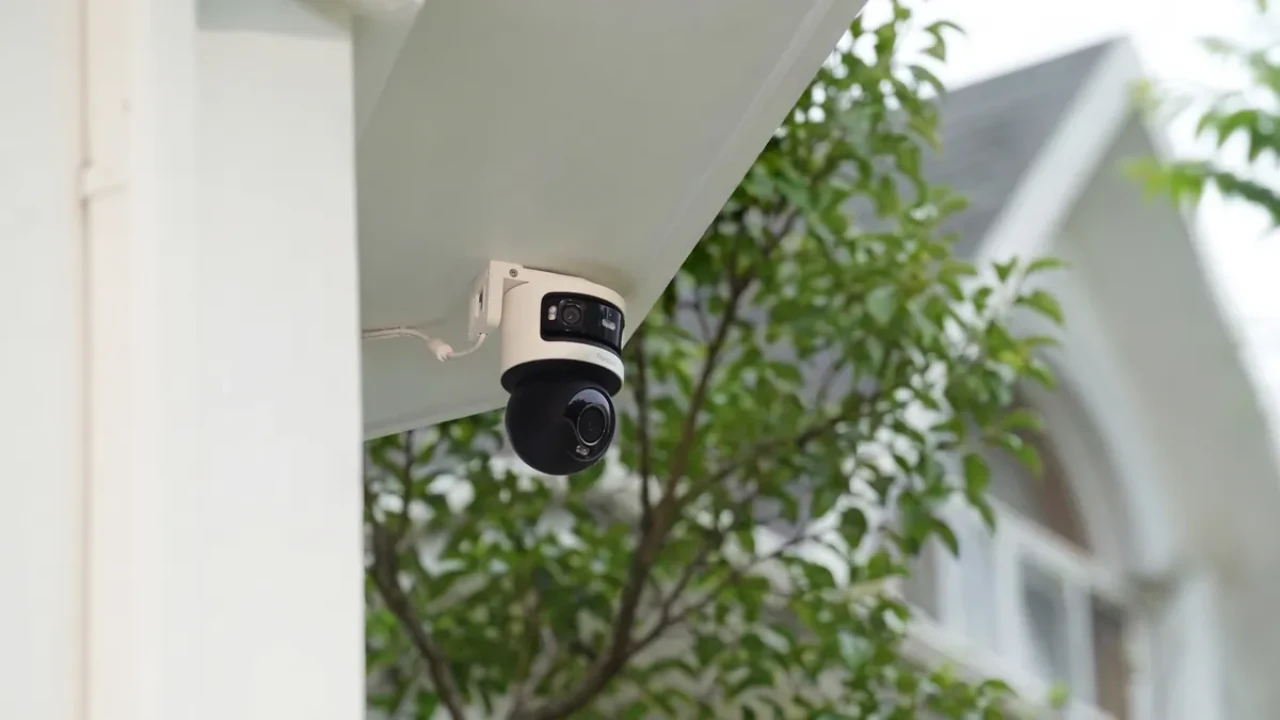
Site photos available on request — ask for case studies or the full catalog.
Why Construction Site Cameras Needs CCTV
Construction site cameras for remote, off-grid projects: wireless 4G LTE and solar-powered models with full-color night vision, local storage and no subscription. Relocatable tripod and mast mounts as the site evolves.
- Wireless 4G LTE cameras for sites with no network and no cabling
- Solar-powered options with MPPT charging: days of battery autonomy off-grid
- Relocatable tripod and mast mounts as the site evolves
- Full-color night vision for overnight theft and vandalism evidence
- IP66 rugged housings rated for dust, rain and temperature swings
WHY CONSTRUCTION CCTV
Why Construction Sites Need Cameras in 2026
Buyers searching "construction site cameras wireless" or "wireless security cameras for construction sites" share one problem. The site is remote, with no power, no network, and equipment worth far more than the construction site cameras protecting it.
1
Theft and equipment loss
Equipment theft is the top reason sites install cameras. Industry estimates put annual equipment and tool theft losses in the US alone in the hundreds of millions of dollars. A single stolen excavator or generator can cost five figures.
2
Evidence for disputes and insurance
Cameras do more than deter. Clear footage settles liability disputes after accidents, documents deliveries, and supports insurance claims when a site is broken into. Some insurers reduce premiums for monitored sites with visible cameras.
3
Remote progress monitoring
Project managers run several sites at once. Live views and recorded timelines show progress, crane activity and delivery flow without driving out. Time-lapse export documents the whole build for clients and site records.
WHERE TO PLACE CAMERAS
Site Coverage Decision Table
The "wireless camera for construction site" and "construction site solar camera" searches map to two questions. Where do cameras go, and how is each location powered?
| Zone | Camera type | Power and data | Coverage goal | Priority |
|---|---|---|---|---|
| Entry gate | Bullet camera | Solar plus 4G LTE, or PoE if power exists | Vehicle and personnel entry records | High |
| Material and equipment storage | Bullet or PTZ | Solar plus 4G LTE | Watch stockpiles, tools and machinery | High |
| Perimeter fence | Bullet line | Solar plus 4G LTE | Spot intrusion along boundaries | High |
| Crane and high-value plant | PTZ on mast | Solar plus 4G LTE | Follow the asset and its surroundings | Medium |
| Active work zones | Dome or bullet | PoE where available, solar elsewhere | Progress evidence and safety review | Medium |
| Site office and trailers | Dome | PoE or WiFi | Access control and internal evidence | Low |
Rule of thumb: cover the gate, storage and perimeter first, because that is where theft happens. Move cameras along with the work fronts as the project evolves.
OFF-GRID POWER
Solar Power Sizing for Off-Grid Sites
A "solar powered security camera for construction site" removes the biggest wiring cost: a permanent power run. The "solar construction cameras" family is sized the same way on every project, with three numbers: draw, panel and battery.
| Parameter | Typical value for one 24/7 camera |
|---|---|
| Camera power draw | 5-10W typical, full-color models at the higher end |
| Daily consumption | 120-240Wh at 24/7 recording |
| Solar panel | 60-120W with an MPPT charge controller |
| Battery | 30-60Ah LiFePO4 at 12V |
| Autonomy | 3-5 overcast days before power-save mode engages |
| Mounting | Tripod, pole or mast; panel tilt adjusted for local sun angle |
Sizing rule: divide the camera draw by the panel output, then add two days of battery for weather. A 10W camera on a 100W panel with a 60Ah battery runs a full week in most climates.
The "solar construction site camera" and "best solar construction camera" searches usually land on this math. Match panel and battery to the camera draw, not the other way around.
MOBILE DEPLOYMENT
Cameras That Move With the Build
"Wireless construction cameras" earn their name on relocation. The "construction camera wireless" and "wireless construction security" phrasings describe the same workflow: mount, aim, connect, record. "Solar powered construction site cameras" add the third freedom: no cable to unplug.
Tripod and mast mounts
A camera on a tripod or pole mast stands at gate height in minutes. Most deployments need two people and under an hour, with no trenching and no electrician.
Wireless links
4G LTE carries video where there is no WiFi. Near buildings, a wireless bridge or a guest network works, and a local NVR keeps recording if the link drops.
Relocation workflow
When the work front moves, the camera moves with it. Re-point the lens, re-aim the panel at the sun, and the same unit covers the next phase. Equipment stays protected and no camera is left watching empty ground.
KEY SPECS
Specs That Matter on a Construction Site
Resolution
5MP (2560x1440) is the typical site sweet spot. It reads faces, vehicle plates and tool markings at gate distance, while 4K covers wide storage yards.
Full-color night vision
Site crime concentrates after dark. Full-color models pair a large CMOS sensor with an F1.0-F1.4 aperture, so the camera stays in color all night. IR-only units switch to black and white.
Storage
Local storage keeps footage independent of the network. microSD up to 256GB holds about a week per camera at 5MP. An NVR with 1-8TB covers the full site, with no subscription and no monthly fee.
Rugged build
Site cameras live in dust, rain and heat. Weather-sealed housings block the elements, an impact-rated shell resists knocks, and the operating range typically spans -30°C to 60°C.
FACTORY DIRECT
OEM / ODM for Integrators and Rental Companies
FULLCOLORCAM manufactures construction site cameras directly. That means private label, custom firmware and volume pricing that retail brands cannot match:
- Private label: your brand on the camera and box; the Seetong app stays factory-standard
- Construction lines: solar, 4G LTE and PoE models under one brand
- OEM on existing lines: lead time confirmed per order, no MOQ for mixed orders
- ODM customization: firmware options, UI, logo splash
- Volume pricing 30-50% below retail brands at container scale
- Sample units at unit price before volume, pre-shipment inspection available
- Full shipping & product documentation tailored to your destination's clearance
FAQ
Questions Buyers Ask
How do construction site cameras get power?
Two ways. Where mains power exists, PoE or an outlet works. Off-grid sites use a solar panel with MPPT charging and a battery: a typical 60-120W panel with a 30-60Ah 12V battery runs a 5-10W camera 24/7 through several overcast days.
How does a camera on a remote site connect to the internet?
Through 4G LTE cellular data, using a local SIM from a regional carrier. Where a building with internet sits nearby, a wireless bridge or guest WiFi also works. The viewing app then reaches the camera over P2P with no port forwarding.
Can one solar camera really record 24/7?
Yes, when the kit is sized to the camera. A 5-10W camera draws 120-240Wh per day. A 60-120W panel with MPPT and a 30-60Ah LiFePO4 battery covers that with three to five days of autonomy for cloudy weather.
What happens when the work front moves?
The camera moves with it. Tripod and mast mounts relocate in under an hour, the panel re-aims at the sun, and the same unit covers the next phase. Nothing is left recording empty ground.
Do construction cameras record in color at night?
Full-color models do, using a large sensor and an F1.0-F1.4 aperture. In complete darkness they switch to built-in IR or a warm supplemental light to keep color. Night-time theft evidence stays identifiable.
How long is footage kept?
Local storage decides. A 256GB microSD holds roughly a week per camera at 5MP; a 2TB NVR holds two to four weeks of 24/7 recording for the site. There is no subscription and no retention expiry.
Are site cameras weatherproof and vandal-resistant?
Specify it that way and yes: IP66-class housings handle rain, dust and sun, and IK10-rated shells resist impact and tampering — confirm the rating of the exact SKU on your quote. Operating range typically spans -30°C to 60°C, so the same unit works through a full build cycle.
Can I watch several construction sites from one place?
Yes. One app aggregates cameras across sites and projects, so a project manager can check live views and playback for all locations in one screen. Each site records locally; remote viewing stays free.