
IP Cameras & Systems
Network IP cameras with ONVIF compliance — cameras that integrate with any NVR or platform, stream over Ethernet or WiFi, and give you free P2P remote access. The modern standard for new CCTV installations.
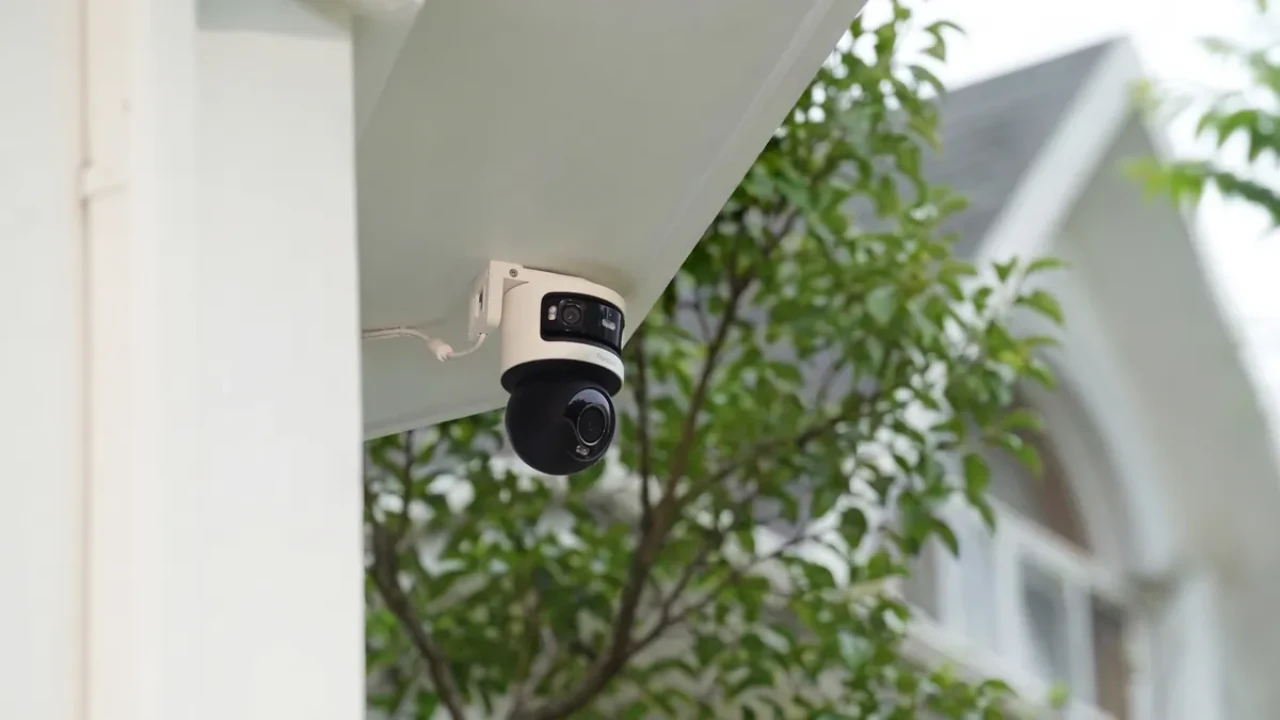
Product photos available on request — ask for samples or the full catalog.
Why IP Cameras & Systems
Network IP cameras with ONVIF compliance — cameras that integrate with any NVR or platform, stream over Ethernet or WiFi, and give you free P2P remote access. The modern standard for new CCTV installations.
- ONVIF-compliant: works with any brand NVR or VMS
- IP camera systems: camera + NVR + app in one architecture
- H.265+ encoding — half the bandwidth of H.264 at the same quality
- Free P2P remote access: live view + playback anywhere, no subscription
- Bullet, dome, PTZ and mini form factors for every site
ONVIF EXPLAINED
Why ONVIF Compliance Matters
1
No brand lock-in
ONVIF (Open Network Video Interface Forum) defines how cameras and recorders talk. Any ONVIF-compliant camera works with any ONVIF NVR — mix brands, replace cameras, keep your recorder. That freedom is the biggest long-term cost saver in CCTV.
2
Profiles S, T and G
Profile S covers streaming and discovery; Profile T adds H.265 and analytics metadata; Profile G covers recording. Check the profile on the spec sheet — Profile S is the minimum for interoperability, T is what 4K H.265 fleets use.
3
Ports you should know
ONVIF discovery uses port 8000 (TCP); RTSP media uses port 554. If a camera won't connect to a third-party NVR, the fix is usually: enable the ONVIF user, open 8000/554, and confirm both devices are on the same subnet.
RESOLUTION
Megapixel IP Cameras: Choosing Resolution
A megapixel IP camera refers to any network camera above 1MP — 2MP (1080p), 4MP, 5MP and 8MP (4K) are the common classes. The right choice is a function of scene width and identification distance, not a bigger-is-better race. As a rule of thumb for face recognition: 4MP covers roughly 2x the scene width of 2MP at the same identification distance, which is why 4MP is the default recommendation for retail and office entries. Beyond resolution, check that the camera supports face detection events on the NVR side — a 4K sensor without smart events still records, but it does not alert.
IP VS ANALOG
IP Camera vs Analog: The Decision Table
"Best ip camera" searches are buyers deciding between architectures. This table settles the architectural question first.
| Factor | IP camera | Analog / AHD |
|---|---|---|
| Resolution | Up to 4K per camera | Up to 5MP |
| Encoding | In-camera (H.264/H.265+) | At the DVR |
| Cabling | Ethernet (or WiFi) | Coax + power |
| Smart features | Line crossing, intrusion, face, ANPR | Basic motion only |
| Interoperability | ONVIF open standard | Vendor/standard locked |
| Remote access | Free P2P app, anywhere | P2P via app (DVR) |
| Best for | New builds, 4K needs, smart analytics | Existing coax, budget retrofits |
SYSTEM BUILDING BLOCKS
What an IP Camera System Includes
Cameras
Bullet (outdoor), dome (indoor retail), PTZ (open areas), mini (discreet). 4MP H.265+ is the sweet spot for most sites; 4K for license plates and long distances.
Recorder (NVR)
Stores and manages every stream. 4-64 channels, H.265+ storage math, optional PoE ports to power cameras directly. "Ip camera nvr" buyers pair the two as one system.
Network + app
Switch or router connects cameras; the free app gives live view, playback and alerts anywhere. No subscription, no port forwarding — P2P handles remote access.
FACTORY DIRECT
OEM / ODM IP Cameras for Your Brand
FULLCOLORCAM manufactures IP cameras and recorders directly. Private label, custom firmware and volume pricing that retail brands cannot match:
- Private label: your brand on the camera and box; the Seetong app stays factory-standard
- OEM on existing lines: lead time confirmed per order, no MOQ for mixed orders
- ODM customization: firmware options, UI, logo splash
- Volume pricing 30-50% below retail brands at container scale
- Sample units at unit price before volume, pre-shipment inspection available
- Full shipping & product documentation tailored to your destination's clearance
FAQ
Questions Buyers Ask
What is an IP camera?
A security camera that connects directly to a network (Ethernet or WiFi) and encodes its own video — no capture card, no coax. Each camera has an IP address, streams over RTSP/ONVIF, and records to an NVR, NAS or SD card.
What does ONVIF mean for me?
ONVIF is the interoperability standard that lets cameras from any compliant brand work with any compliant NVR or VMS. Buy ONVIF cameras and you are never locked into one vendor — mix brands freely and replace cameras without touching the recorder.
How is an IP camera different from an analog camera?
Analog cameras send raw video over coax to a DVR that does the encoding. IP cameras encode internally and send compressed digital streams over the network. IP wins on resolution (up to 4K), smart features, remote access and expansion.
Do I need an NVR for IP cameras?
Not always. A single camera can record to an SD card or a NAS. For 2+ cameras, an NVR centralizes storage, playback and alerts — that is what most "ip camera system" buyers want.
Can IP cameras work with existing WiFi?
Yes — WiFi IP cameras join your wireless network. For reliable 24/7 recording, wired PoE is preferred for critical cameras; WiFi suits rentals and quick coverage.
How much bandwidth does an IP camera need?
A 4MP H.265 camera at 15fps uses about 2-4 Mbps for the main stream, 0.5-1 Mbps for the sub-stream. A 4-camera system needs 8-16 Mbps sustained upload.
What is a "best ip camera" for a business?
For most businesses: 4MP+ H.265, ONVIF-compliant, full-color night vision for evidence, and free P2P remote access. Form factor depends on the site — bullet for outdoor, dome for indoor retail, PTZ for open areas.
Can you OEM/ODM IP cameras for our brand?
Yes. As a manufacturer we support private label, custom firmware and volume pricing with no MOQ (mixed solution orders welcome). Samples and pre-shipment inspection available.