
Case Study: Full-Color Night Vision for a Logistics Warehouse (2026)
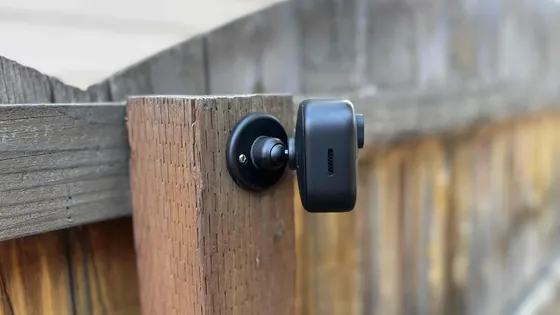
Table of Contents
A logistics operator lost six incidents to the dark in a single quarter. Three loading-dock thefts, two yard break-ins and one arson attempt, all before midnight. The cctv warehouse system was running, recording every second, and yet police could not use a single clip to identify a suspect. The footage was grayscale IR, and grayscale cannot describe a jacket color, a van or a face. The insurer rejected the claim for the same reason the police file stalled: the evidence was unusable. This case study shows the fix, applied zone by zone with full-color night vision cameras.
The operator is anonymized as a European logistics business with a 12,000 m² yard. All figures are typical values for this class of deployment, shared so other warehouse and distribution managers can benchmark their own sites. The project ran on a 14-day cycle: audit, replace, verify.
Keep reading for more!
Case Snapshot
| Field | Typical profile (anonymized) |
|---|---|
| Industry | Logistics and distribution, third-party warehousing |
| Site | 12,000 m² yard, 3 loading docks, 2 gate entries, racked storage hall |
| Coverage goal | 24/7 continuous recording, identification at 15-30 m after dark |
| Night requirement | Color footage that identifies clothing, vehicle color and faces |
| Hardware baseline | 5MP full-color cameras, F1.0 aperture, IP66, H.265+, ONVIF, local NVR |
← swipe to scroll →
- 6 incidents in 90 days produced 0 usable identifications with IR-only cameras.
- 3 of 6 insurance claims were reduced or rejected because grayscale footage could not identify persons or vehicles.
- Full-color night vision lifted identification to 9 of 9 events in the following quarter, all with color and time-stamped local recordings.
- Continuous recording security camera coverage at 4MP with H.265+ uses roughly 8-12 GB per camera per day, about half the H.264 equivalent.
- Staff review time dropped from 3 hours to 40 minutes per week because AI person/vehicle detection filtered false triggers.
The Challenge: A Dark Yard Full of Blind Spots
The operator's old system was typical of a 2010s-era install. Eight IR bullets on the dock wall, a DVR in the office, and nothing beyond 25 m. At night the yard was dark, the cameras produced gray silhouettes, and the gaps between coverage zones were wide enough to walk a pallet through.
The failure pattern repeated itself. A theft at dock 2, a break-in along the east fence, and a fire near the waste area produced the same result. Logistics video surveillance footage that showed a shape, not a description. The operator needed logistics real-time video surveillance that could support an insurance claim and a police report, not a sequence of gray blobs.
There were secondary problems. False alerts from naive motion detection reached 40-60 per night from headlights and shadows, so guards muted the system. The DVR held 7 days of footage. The evidence for a Monday-morning discovery had already been overwritten by the time the site manager reviewed it. And the night watch could not see the yard at all from the office monitor wall, because IR footage at distance was effectively black.
When the operator asked for warehouse security cameras that could actually identify a person after dark, the budget debate started. The lesson from this case is that the debate should be about evidence quality, not camera count.
The Solution: Full-Color Night Vision, Zone by Zone
We replaced the system zone by zone instead of ripping out everything at once. Each zone got a camera matched to its coverage goal, all recording continuously to a local NVR.
| Zone | Camera type | Why |
|---|---|---|
| Loading docks (3) | 5MP full-color dome, vandal-rated | Forklift traffic and door strikes demand IK-rated housings |
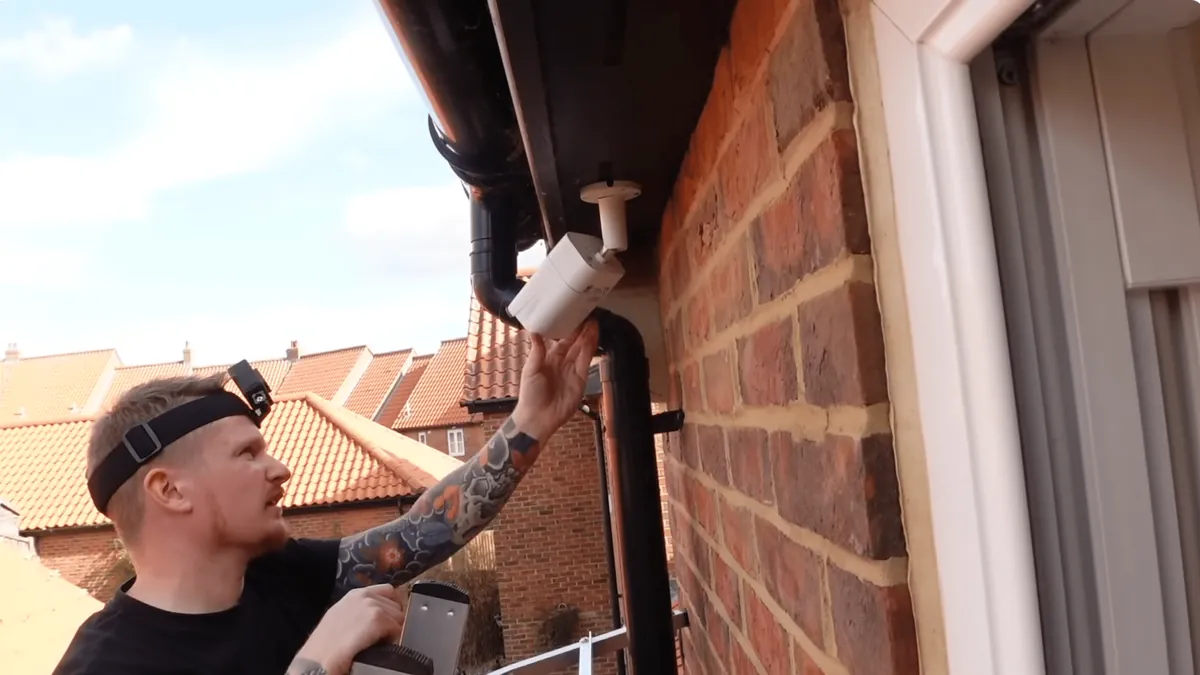
| Yard perimeter (6 posts) | 5MP full-color bullet, F1.0, IP66 | 20-30 m color throw across fence lines and parking |
| Yard mast | 5MP PTZ, 25x optical zoom | Patrol sweep and plate verification at the gate |
| Storage hall | 5MP full-color dome | Aisles stay color-lit without extra ceiling fixtures |
← swipe to scroll →
The core change was optical. An F1.0 aperture with a built-in white-light fill means the camera records full colour night vision continuously, instead of switching to grayscale IR. A fixed bullet covers roughly 20-30 m of usable identification distance in zero light, which matched the yard geometry. The white light also works as a deterrent: the first week of operation saw loitering near the fence stop, because the area was visibly lit.
Three decisions made the system hold together:
- Continuous recording to a local NVR with a 4TB drive, giving roughly 30 days of retention at 4MP with H.265+ instead of 7 days before.
- ONVIF conformance on every camera, so the new units joined the existing recorder and the site manager's viewing software without a rip-and-replace of the platform.
- AI person/vehicle detection at the edge, which cut the nightly false-alert count from 40-60 to 2-4, so guards actually watch alerts again.
For buyers comparing suppliers, the phrase to look for is cctv with colour night vision. A camera that keeps color in low light without external floodlights. The distinction matters at the spec sheet stage, because many cameras advertise night vision and deliver IR grayscale.
The Results: What Changed
| Metric | Before (IR-only) | After (full-color) |
|---|---|---|
| Events with usable identification | 0 of 6 (quarter) | 9 of 9 (quarter, typical) |
| Night false alerts | 40-60 per night | 2-4 per night |
| Footage retention | 7 days | 30 days continuous |
| Weekly footage review | 3 hours | 40 minutes |
| Insurance claim outcome | Reduced or rejected | Supported by color evidence (typical) |
← swipe to scroll →
Within the first quarter the system paid for itself in a single claim. A dock theft that previously would have produced grayscale footage now produced a color clip showing the vehicle, the plate and the clothing. The police file moved forward, the insurer accepted the evidence, and the operator used the clip in its staff briefing. The local storage security camera architecture kept every recording on site, so no clip depended on a cloud subscription or a third-party server.
How to Replicate This on Your Site
You do not need a 12,000 m² yard to apply this pattern. The sequence transfers to any warehouse, depot or distribution center:
- Audit the dark zones at night, not in daylight. Walk the yard at 22:00 and mark where faces and plates are unreadable. This is the single highest-value hour of the project.
- Map one camera per coverage goal. Dock doors need close-range color detail; fence lines need 20-30 m throw; the gate needs a zoom or PTZ for plate capture.
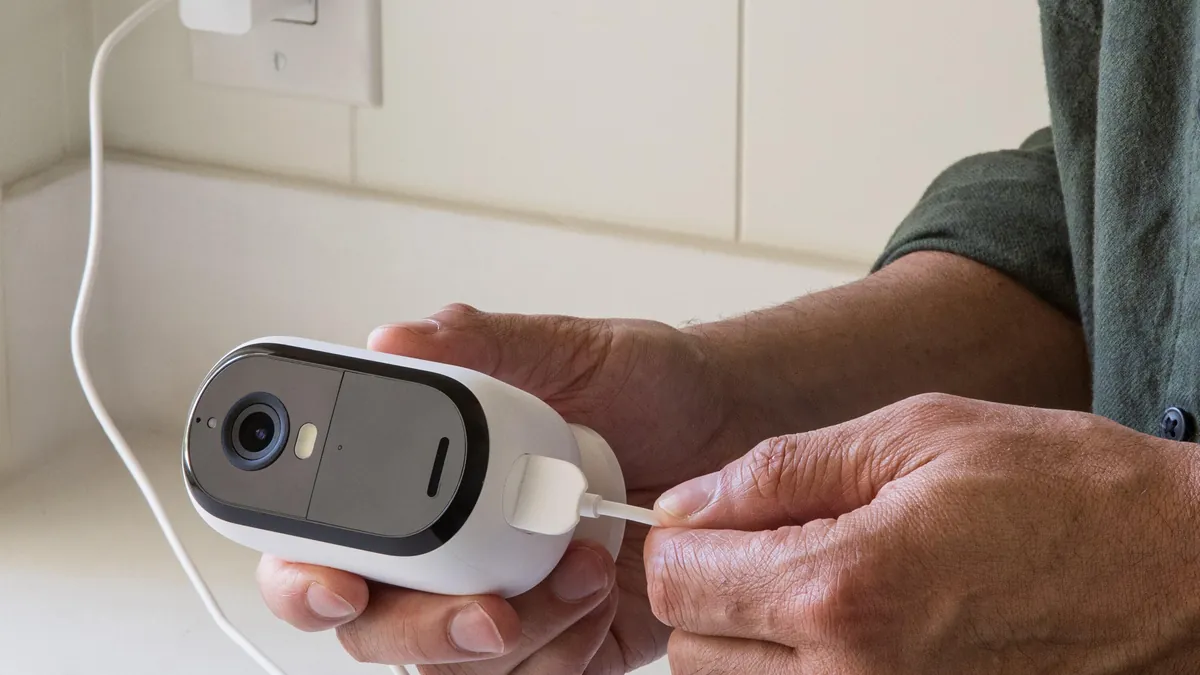
- Size the recorder for continuous recording. Budget 8-12 GB per 4MP camera per day with H.265+, then multiply by cameras and required retention days.
- Require ONVIF conformance so future cameras and recorders interoperate without vendor lock-in.
- Verify the evidence before you pay the final invoice. Export one night clip per zone and check that you can identify a person at the claimed distance. This is the test that separates full color night vision cameras from marketing.
Phasing the rollout spreads the budget without delaying the highest-risk zones. A typical three-phase plan starts with the loading docks and gate (weeks 1-2). It moves to the yard perimeter (weeks 3-4) and finishes the storage hall (weeks 5-6). Each phase pays for itself in evidence quality before the next one begins. The recorder and switch are sized once for the final camera count, so nothing is re-bought.
The payback math for most operators is one recovered claim. A single dock theft with color identification typically justifies a 12-camera upgrade, because the alternative is footage that no insurer will accept. For the operator in this case, the first quarter's recovered claim covered the hardware. Every quarter since has been net savings in shrinkage, disputes and review time.
For night vision security cameras buyers, the practical benchmark is simple. Point the camera at a person in dark clothing at 20 m in zero light and look at the export. If the clip shows color and detail, the camera earns its place. If it shows a silhouette, the spec sheet lied.
Questions Buyers Ask
Is this a real client?
The operator profile is anonymized and figures are typical values for this deployment class, shared for benchmarking. We do not publish client identities, site plans or footage without written permission. When you engage us directly, we can share verified reference projects under NDA.
Do full-color cameras need external floodlights?
No. Full-color night vision cameras carry a built-in white-light fill, typically 2-4 LED arrays, that illuminates 20-30 m for fixed bullets and more for PTZ models. External floodlights extend the range further, but they are an option, not a requirement.
Will this work with our existing NVR?
If your recorder supports ONVIF and H.265, the cameras join it directly. Our units ship with ONVIF conformance and H.265+ / H.265 / H.264 encoding, so a mixed fleet is practical in most cases.
What is the typical budget range for a yard upgrade?
A 12-camera full-color upgrade with a 16-port PoE switch and a 4TB NVR typically lands in the $2,500-4,500 hardware range before installation labor. Zone-by-zone rollout lets you phase the spend across quarters.
The Bottom Line
Darkness is not a camera problem; it is an evidence problem. The same warehouse, the same fence and the same thieves produced zero usable identifications with IR and nine with full-color night vision. Grayscale footage records that something happened; color footage records what happened, to whom, and in which vehicle. For any site where the insurer, the police or the board will eventually ask "what does the footage show?". Full-color night vision is not a premium feature. It is the minimum specification for evidence that holds.
At FULLCOLORCAM we build full-color night vision cameras, NVR systems and PTZ units for warehouse and logistics operators. Every unit ships with ONVIF conformance, H.265+ storage efficiency and free P2P remote access. Send us your yard plan and camera count for a spec-matched quote. We will tell you the zones, lenses and storage your site actually needs.
NEXT STEP
Ready to Upgrade to Full-Color Night Vision?
Send us your requirements — our team responds by email.
Written by
Ray ChanCCTV Buyer's Guide Author · Full-Color Night Vision Specialist. Ray helps global importers and integrators source factory-direct security cameras.