
How to Hide Security Cameras: Concealed Placement and Disguise Guide (2026)
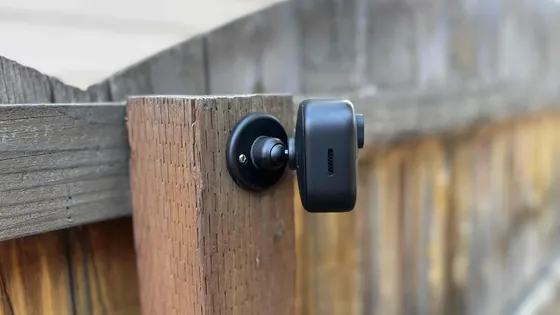
Table of Contents
Visible cameras get stolen, vandalized, or simply avoided. A unit mounted at arm's reach on a fence post is disabled in the first minutes of a typical break-in. The suspect cuts the cable, sprays the lens, or knocks the bracket. Worse, a casing crew often spots the cameras first and hits the blind spot, so the footage never shows a face. Hiding a camera solves those problems. Done wrong, it creates a bigger one: a privacy complaint, a legal exposure, and footage that cannot be used.
This guide explains how to hide security camera units for legal, legitimate property protection. We cover concealed placements in shelves, under eaves, and inside plants. We compare camouflage housings and mini camera form factors. We walk through wiring and power for hidden installs, plus anti-detection tips for owners. We also cover counter-detection methods for anyone who wants to spot a covert unit. Every recommendation stays inside the law, because a hidden camera that breaks privacy rules is a liability, not security.
Keep reading for more!
The Snapshot
- Hidden does not mean illegal: cameras on your own property are generally lawful, but never in bathrooms, changing rooms, or anywhere with a reasonable expectation of privacy.
- Placement beats disguise: a bookshelf camera at 1.5-1.8 m frames faces at 3-5 m, while a plant-level camera at 0.5-1.2 m catches gates and driveways at close range.
- Mini cameras still need real specs: typical concealed units run 2MP-4MP with 2.8 mm lenses, and a 5MP full-color F1.0 compact covers 20-30 m at night in color.
- Lights give cameras away: 850 nm IR glows faint red within 10 m at night; 940 nm IR and disabled status LEDs keep a hidden install invisible.
- Wired beats wireless for stealth: one PoE cable carries power and data, so there is no Wi-Fi signal to detect and no battery to replace.
Know the Law Before You Hide Anything
Hidden does not mean illegal, and visible does not mean legal. The law looks at the place, the notice, and the purpose, not at whether a camera is easy to see. On your own property, cameras in areas where people have no reasonable expectation of privacy are generally lawful. Bathrooms, changing rooms, hotel rooms, and rented bedrooms are never acceptable, no matter how the camera is mounted.
Notice rules vary by region. Many jurisdictions require signage when surveillance covers workplaces or public-facing areas. Typical practice is a posted notice at every entrance and no cameras in employee rest areas. Audio recording adds a second layer. Many regions require consent from at least one party before recording sound. A camera with audio off is a simpler legal position than a camera with audio on.
Purpose matters too. Cameras that protect property, inventory, and people are legitimate. A concealed camera installed to record someone secretly is not, and footage collected illegally usually cannot be used as evidence. In vacation rentals, disclosure is the growing standard. List every camera in the property description, and keep none in private areas. When in doubt, mount the unit in the open and tell people it is there.
International rules differ, so confirm the local position before designing a concealed install. In the European Union, the GDPR treats camera footage as personal data, which brings notice, purpose, and retention duties with it. In many US states, video recording in open areas is generally permitted, while audio consent rules vary sharply. In Asia, rental disclosure rules and workplace notice rules differ city by city. The pattern everywhere is the same: disclose, document, and keep cameras out of private spaces.
For business buyers, the rule of thumb is documentation. Write down where each camera points, who can view the footage, and how long it is kept, typically 30 days for retail. Post the notice, keep cameras out of private areas, and keep the system's access list short. A compliant install holds up in court. A secret one creates the liability the camera was bought to prevent.
Where to Hide a Camera: Shelves, Eaves and Plants
The hiding spot decides the angle, and the angle decides what the camera can prove. A shelf camera at face height records faces as they pass. An eave camera at 2.5-3 m records the yard without being reachable. A plant camera near a gate records the entry point. The common thread is coverage of the approach path, not of the whole property.
Bookshelves work best indoors. Place the unit among books at 1.5-1.8 m, with the lens aimed across the doorway rather than straight down. Dust settles on lenses on open shelves, so clean the glass every 1-2 months. Under-eave placements follow the same rules as any outdoor mount. Keep the height in the 2.5-3 m band and the tilt at 15-20 degrees down. Our mounting guide covers the full height and angle math in detail.
Plants hide cameras at low level, which is ideal for gates and garden paths. Keep 20-30 cm of open space in front of the lens so leaves never trigger motion or block the view. Foliage moves in wind, so raise motion sensitivity or mask the plant area in the recorder. A dome camera in a ceiling corner covers a whole room at 2.4-2.7 m. Check the 30-45 degree tilt limit of a flush dome before committing.
Retail and office sites hide cameras for a different reason: deterrence without alarm. A visible dome tells a shoplifter exactly where the blind spots are. A concealed unit in a ceiling corner or shelf row records the same aisle without announcing the coverage map. Keep the same placement logic as a visible install. Cover the entry path, the register, and the stock room door, and overlap the views by 10-20 percent.
| Hiding Spot | Typical Height | Typical Camera | What It Covers | Key Caution |
|---|---|---|---|---|
| Bookshelf / shelf row | 1.5-1.8 m | Mini dome or cube | Doorway, desk, aisle approach | Dust on the lens, clean monthly |
| Under eave / fascia | 2.5-3 m | Compact bullet | Yard, walkway, entrance | Hold the 15-20 degree downward tilt |
| Plant / shrub | 0.5-1.2 m | Bullet or dome | Gate, driveway, garden path | Keep 20-30 cm clear in front of the lens |
| Wall clock / decor | 1.5-1.7 m | Pinhole or mini dome | Room entry, safe, counter | Avoid IR reflection off glass fronts |
| Ceiling corner | 2.4-2.7 m | Dome | Whole room, corridor | Check the 30-45 degree dome tilt limit |
← swipe to scroll →
Whichever spots you choose, keep coverage consistent. Overlap the edges of each view by 10-20 percent so a blind spot under one unit sits inside the next camera. And log every hiding place in a private installation map. The map belongs to the owner, not the public. It becomes essential when a camera fails and you must find it again.
Camouflage Housings: Disguises That Work
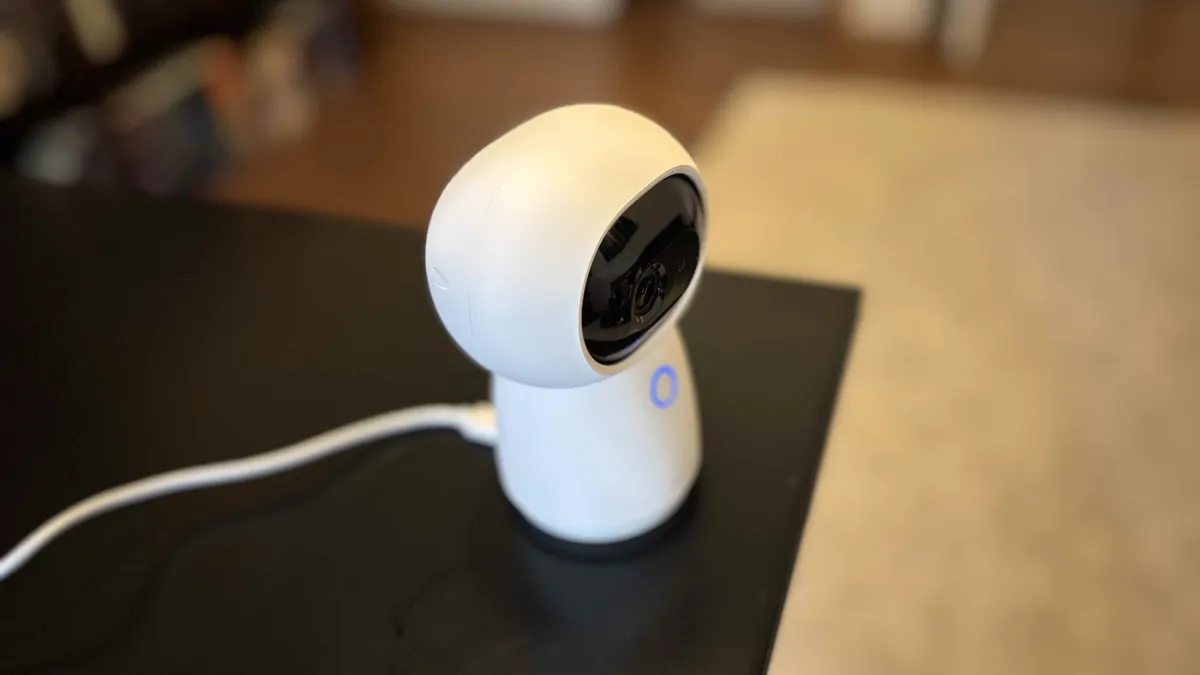
A camouflage housing turns a camera into an everyday object. Sprinkler heads, smoke detectors, birdhouses, rocks, and junction boxes all hide a lens in plain sight. The "disguise camera" approach is popular for gardens, patios, and rental entries, where a white bullet camera would shout for attention. Choose the disguise to match the scene, and match the housing rating to the weather.
Sprinkler and rock housings suit outdoor scenes. A rock shell hides a compact dome at ground level, but it must be rated for rain and sun, typically IP66. Smoke detector housings suit indoor ceilings, where the shape is normal. They also catch the heat issue. A sealed housing traps the camera's own warmth. Typical cameras operate from -30 to 60 degrees Celsius, so allow ventilation or choose a housing with vents.
Do not overdo the disguise in one spot. A single rock camera in a bare lawn, or one smoke detector with a blinking LED, draws exactly the attention it is meant to avoid. Blend the housing with the surroundings, keep the lens hole small and angled, and keep the unit clean. A dirty lens under camouflage is worse than a visible camera with a clear image. Our dome camera range and bullet camera range both fit standard camouflage housings.
| Disguise | Typical Housing | Best Scene | Watch Out |
|---|---|---|---|
| Sprinkler head | Plastic housing, white | Yard, garden, driveway | Keep clear of real sprinkler spray zones |
| Smoke detector | Ceiling dome housing | Indoor rooms, corridors | Vent the housing against heat buildup |
| Birdhouse / decor box | Weatherproof box | Garden, fence, patio | Angle the lens hole down and inward |
| Rock / garden stone | Hollow resin shell | Lawn, flowerbed | Require IP66 rain and UV rating |
| Junction box | Metal or ABS box | Wall, eave, gate post | Seal cable entry, no bare wiring |
← swipe to scroll →
Mini and Compact Cameras for Discreet Installations
A small camera body is the first half of a hidden install; the sensor and lens are the second. A concealed camera still has to identify a face, record at night, and stream reliably. Typical concealed units run 2MP to 4MP with 2.8 mm lenses, which frames a face at 3-5 m indoors. For night work, choose a full-color compact with an F1.0 lens. It records color in zero light, typically to 20-30 m, where an IR mini unit only reaches 10-20 m in grayscale.
Form factor drives the hiding spot. A cube or pinhole camera fits shelves, clocks, and chargers. A mini dome fits ceilings and smoke detector housings. A compact bullet fits eaves and fascia. Indoor units draw 3-6 W, so a typical 8-port PoE switch with a 120 W budget powers a full mixed site. See our indoor camera range for compact bodies that fit shelves and decor.
Buy the spec, not the size. Some mini units cut the sensor to save space, and the night image collapses. Check three lines on the data sheet: sensor size, aperture, and compression. A 2MP unit with a 1/2.8-inch sensor and H.265+ typically records 4-6 GB per day. That keeps a hidden install on a small recorder for 30 days without attention.
| Form Factor | Typical Resolution | Typical Lens / FOV | Typical Night Range | Best For |
|---|---|---|---|---|
| Cube / pinhole | 2MP (1080p) | 2.8 mm / 100-120 degrees | IR 10-15 m | Shelves, clocks, counters |
| Mini dome | 2MP-4MP | 2.8 mm / 90-110 degrees | IR 15-20 m | Ceilings, corridors, retail |
| Compact bullet | 4MP-5MP | 2.8-4 mm / 80-100 degrees | Full-color F1.0 20-30 m | Eaves, perimeters, outdoors |
| Wi-Fi mini camera | 2MP | 2.8 mm / 100-120 degrees | IR 10-15 m | Temporary installs, rentals |
← swipe to scroll →
Power and Wiring for Hidden Cameras
Cables betray more hidden cameras than lenses do. A wire running down a wall is a map to the unit. Route every cable inside conduit, trunking, or the wall cavity itself. Seal wall penetrations with silicone after pulling. Leave a 30-50 cm service loop at the camera end, so the unit can be lowered for cleaning without re-terminating.
PoE is the stealth choice. One Cat5e/6 cable carries power and data, so there is no Wi-Fi signal to detect and no battery to change. The 802.3af standard provides 15.4 W per port against a typical camera draw of 5-12 W. Keep runs under 100 m. A Wi-Fi mini camera is easier to place in a shelf or clock, but it announces itself on the network. Pair it with a hidden SSID and a strong password.
Battery cameras remove the cable entirely, which suits rentals and temporary installs. Typical battery life runs 2-6 months on motion-only recording. The tradeoff is event clips instead of continuous recording, so a fast break-in may miss the first seconds. For permanent protection, wired power wins. See our common installation mistakes guide for the wiring errors that kill concealed installs.
Integrators planning discreet installs should budget the same way as visible ones. Count the cameras, add the recorder capacity at H.265+ rates, and reserve switch headroom of 20 percent. A typical 16-camera concealed site with 2MP units records about 60-100 GB per day. A 4TB recorder holds that for 30 days with room to spare. Document the install for the client, and keep the location map out of public view.
Anti-Detection: Keeping a Hidden Camera Hidden
A hidden camera is only hidden until a light, a wire, or a reflection gives it away. Three giveaways account for most discoveries. First, indicator LEDs. Disable status LEDs in the camera menu or cover them where the law allows. Second, IR glow. Most cameras use 850 nm IR, which shows as a faint red glow within 10 m at night. Choose 940 nm IR for invisible illumination, or a full-color camera with no IR at all. Third, reflections. A lens catches light like glass, so avoid aiming across bright windows and keep the lens hole small.
The network is the fourth giveaway. A hidden camera still broadcasts its presence on Wi-Fi and on your router client list. Use wired PoE where possible. On wireless units, hide the SSID, use WPA3, and rename the device so it does not advertise to a casual scan. Keep firmware current. A concealed camera with a default password is a worse risk than a visible one, because nobody can see it being tampered with. Our security camera guide covers the network hardening basics.
Heat is the final clue. A camera sealed inside a rock or clock housing runs warmer than its surroundings. Typical cameras operate from -30 to 60 degrees Celsius. In summer sun, a sealed black housing can climb past that in hours. Choose vented housings, shade the unit, and test the image after a hot day, not just at install time.
Spotting Hidden Cameras: Counter-Detection for Privacy
The same stealth that protects property can violate privacy, so knowing how to spot a concealed camera protects everyone. Hidden cameras belong only in areas without a reasonable expectation of privacy. If you suspect one in a hotel room, changing room, or rental, these checks find most units within minutes.
Start with the lens glint test. Darken the room and sweep a bright torch slowly across shelves, clocks, chargers, and vents. A camera lens reflects light like a mirror, typically visible from 5-8 m with a bright torch. Next, scan with a phone camera. Many IR LEDs show as purple or white dots in a viewfinder, though some phones filter IR. Try a second device if the first shows nothing.
Then check the network. Open the router client list and look for devices you do not recognize. A typical home has 10-20 connected devices, so an unknown MAC address is worth investigating. RF detectors catch 2.4 GHz transmitters within a typical 2-5 m range, but they false-positive on phones and access points. Power devices off and re-scan. If you find a camera where privacy is expected, document it, report it to management or the police, and do not touch it.
Pay attention to the classic hiding spots first. Clocks, chargers, smoke detectors, air purifiers, teddy bears, and shelves that face a bed or sofa are the usual candidates. Check anything with a small dark hole at eye level. In a rental, compare the inventory photos. A new object in the room is worth a closer look. In hotels, inspect the bathroom ceiling and the back of the TV stand, where covert units are most often reported.
Hidden Camera Installation Checklist
Run this list before you sign off a concealed install. Every item protects either the footage or the operator.
- Legal review done: no cameras in bathrooms, changing rooms, or bedrooms with a rental tenant.
- Notice posted where your region requires signage for surveillance.
- Audio disabled or consented: many jurisdictions require consent for sound recording.
- Height and angle set: 1.5-3 m band and 15-20 degree tilt for the scene.
- Lens clear: 20-30 cm of open space in front, glass cleaned.
- Indicator LEDs off and IR choice matched to the scene.
- Cables hidden in conduit or walls, drip loops on outdoor runs.
- PoE budget checked: 5-12 W per camera, 20 percent switch headroom.
- Network secured: strong password, firmware updated, device renamed.
- Night test done: no glow visible from approach paths, faces identifiable.
Keep the installation map private and current. When a camera fails, the map is how you find it. When the law asks where cameras are, the map is how you answer.
Hidden Camera Questions Buyers Ask
Is it legal to hide a security camera on my own property?
Generally yes, for your own home or business, in areas where people have no reasonable expectation of privacy. Never place hidden cameras in bathrooms or changing rooms. Check local rules on notice and audio recording before installing.
Where should I never hide a camera?
Bathrooms, changing rooms, hotel rooms, and rented bedrooms are off-limits. Employee rest areas and break rooms also carry strict rules in many regions. When in doubt, mount the camera in the open.
Do hidden cameras need Wi-Fi?
No. Wired PoE cameras work without Wi-Fi, carry power and data on one cable, and leave no wireless signal to detect. Wi-Fi mini cameras are easier to place but need a hidden SSID and strong password.
How can I tell if a room has a hidden camera?
Darken the room and sweep a torch for lens glint. Scan with a phone camera for IR dots. Check the router client list for unknown devices. Inspect clocks, chargers, smoke detectors, and vents first.
What is the best camera to hide indoors?
A mini dome or cube camera at 2MP-4MP with a 2.8 mm lens covers a room at close range. For night work, choose a full-color compact with an F1.0 lens so the image stays in color instead of grayscale.
Do I need a sign if I use hidden cameras at my business?
Many regions require posted notice for workplace surveillance. Post signage at entrances, keep cameras out of rest areas, and get consent before recording audio. A compliant install holds up in court; a secret one does not.
The Bottom Line
Hidden cameras work best when the law, the angle, and the cables are all right. Keep concealed units in legal areas only. Place them at 1.5-3 m with a 15-20 degree tilt. Match the hiding spot to a mini dome, compact bullet, or camouflage housing. Hide the wires before you hide the lens. Kill the LEDs, choose invisible IR or full-color night vision, and log every location on a private map.
At FULLCOLORCAM we build 5MP full-color night vision cameras with F1.0 lenses, plus compact dome and bullet bodies that fit discreet housings. Every unit is tested before shipping, ONVIF-conformant, with free P2P remote access. Send your property layout and camera count to cj226144@gmail.com. We will recommend the camera size, lens, and night strategy your scene needs, and we will say plainly where a camera should not go.
NEXT STEP
Ready to Upgrade to Full-Color Night Vision?
Send us your requirements — our team responds by email.
Written by
Ray ChanCCTV Buyer's Guide Author · Full-Color Night Vision Specialist. Ray helps global importers and integrators source factory-direct security cameras.