
Turret Camera vs Dome: Which Housing Fits Your Site (2026)
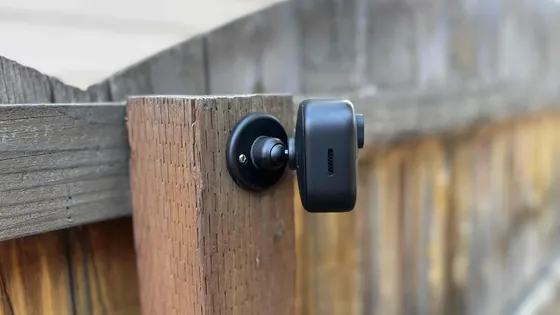
Table of Contents
Buyers replace turret cameras with domes for the wrong reason, and pay for it in night footage. Dome glass glare can cut usable identification distance by a third, while the vandal rating they were chasing was never needed indoors. The "turret camera vs dome" debate is not about which housing looks more professional. It is about what happens to the image at 2 a.m. This guide compares both housings on eight dimensions, with typical specs, so you can pick per zone instead of per habit.
Both are fixed cameras with the same sensor options, so resolution, night vision and compression are not the differentiators. The housing decides three things: how the camera survives abuse, how it performs at night, and how much flexibility you keep during installation. Those three decide the rest.
Keep reading for more!
The Snapshot
- Dome glass reflects IR and white light: a dome camera can lose 20-35% of night detail to glare, while a turret's open lens keeps the image clean.
- Vandal resistance is a dome strength: IK10-rated housings survive impacts that crack a turret's bracket-mounted body, which is why retail and schools use domes.
- Turret cameras offer easier 3-axis aiming and varifocal lens options (2.8-12 mm typical), making them the installer's default for outdoor perimeters.
- Both are available as 5MP full-color night vision units with F1.0 apertures, so the housing choice does not limit night capability.
- Wholesale pricing sits within a few dollars: typical 5MP units run $25-45 for turrets and $28-50 for domes at factory MOQ, so cost rarely decides the choice.
What Is a Turret Camera?
A turret camera mounts the sensor and lens in a half-sphere housing on a bracket, with the lens exposed. The shape is sometimes called a eyeball or mini-PTZ style housing. The exposed lens is the key trade. It keeps the optical path clean, but it also leaves the lens more reachable than a dome's sealed glass.
Typical turret specs for 2026 B2B stock:
- Resolution: 5MP (2560×1944) or 4MP (2560×1440) sensors, 1/2.7-inch to 1/1.8-inch sizes.
- Lens: fixed 2.8 mm or 3.6 mm, or varifocal 2.8-12 mm on premium models.
- Night: full-color F1.0 with white-light fill, or IR to 30 m, depending on the model.
- Housing: IP66-IP67 weather rating, IK10 optional, wall or ceiling mount with 3-axis adjustment.
For a turret ip camera the mounting flexibility matters most on outdoor walls and poles. The three-axis bracket lets the installer aim the lens without repositioning the mount, which saves 10-20 minutes per camera on a 16-camera job.
What Is a Dome Camera?
A dome camera seals the lens behind a hemispherical glass or polycarbonate cover. The design is about protection and discretion: the viewing direction is hard to read from outside, and the housing shrugs off impacts, dust and spray.
Typical dome specs for 2026 B2B stock:
- Resolution: 5MP and 4MP sensors, same family as turrets.
- Lens: fixed 2.8 mm common; some models offer motorized varifocal 2.8-12 mm.
- Night: full-color or IR versions; dome glass can cause glare if the fill light reflects off the cover.
- Housing: IK10 vandal rating typical, IP66 for outdoor domes, surface or flush ceiling mount.
A commercial dome camera is the standard choice for retail ceilings, school corridors and lobby areas, where the housing must survive both abuse and scrutiny. A 5mp dome camera typically ships with a fixed 2.8 mm lens. It frames a wide corridor or counter at close range without extra aiming. The dome security camera form factor also hides the lens direction. That matters when you do not want visitors to know exactly what the camera watches.
Turret vs Dome: 8-Dimension Comparison
| Dimension | Turret camera | Dome camera |
|---|---|---|
| Night image quality | Clean lens, no glass glare | Glass can reflect fill light, reducing detail |
| Vandal resistance | IK10 optional, body exposed | IK10 standard on commercial models |
| Aiming flexibility | 3-axis bracket, very easy | Limited after mounting, harder to fine-tune |
| Lens options | Fixed and varifocal 2.8-12 mm | Fixed common, motorized on premium |
| Cleaning and maintenance | Lens accessible, quick wipe | Glass needs regular cleaning, inside and out |
| Discretion | Viewing direction obvious | Direction hidden behind glass |
| Typical price (5MP, wholesale) | $25-45 | $28-50 |
| Best scenarios | Warehouses, yards, eaves, perimeters | Retail, schools, offices, corridors |
← swipe to scroll →
The night image difference deserves emphasis. A dome camera's cover sits in front of the lens. When the camera's own white-light fill or IR array fires, part of that light reflects off the glass and back into the sensor. The result is a washed-out center or halos around the image. Turret cameras avoid this entirely because the lens is open. For dome camera night vision, buyers should ask the supplier for a zero-light test clip before committing a full order.
Vandal resistance is the dome's counterweight. An IK10 housing absorbs hammer and impact tests that would crack or knock a turret body off alignment. On a school corridor or a retail counter, that resilience is worth more than the night-image edge. The camera will be hit before it is ever used at night.
When to Choose a Turret Camera
Choose turret cameras when image quality and aiming flexibility outrank abuse resistance:
- Outdoor perimeters and eaves where the camera is out of arm's reach and the priority is clean night footage.
- Warehouses and yards where varifocal lenses let you frame racks, docks and fence lines precisely.
- Full-color night vision deployments where the white-light fill must not reflect off glass.
- Fast installations: the 3-axis bracket means one installer can aim and lock a camera in minutes.
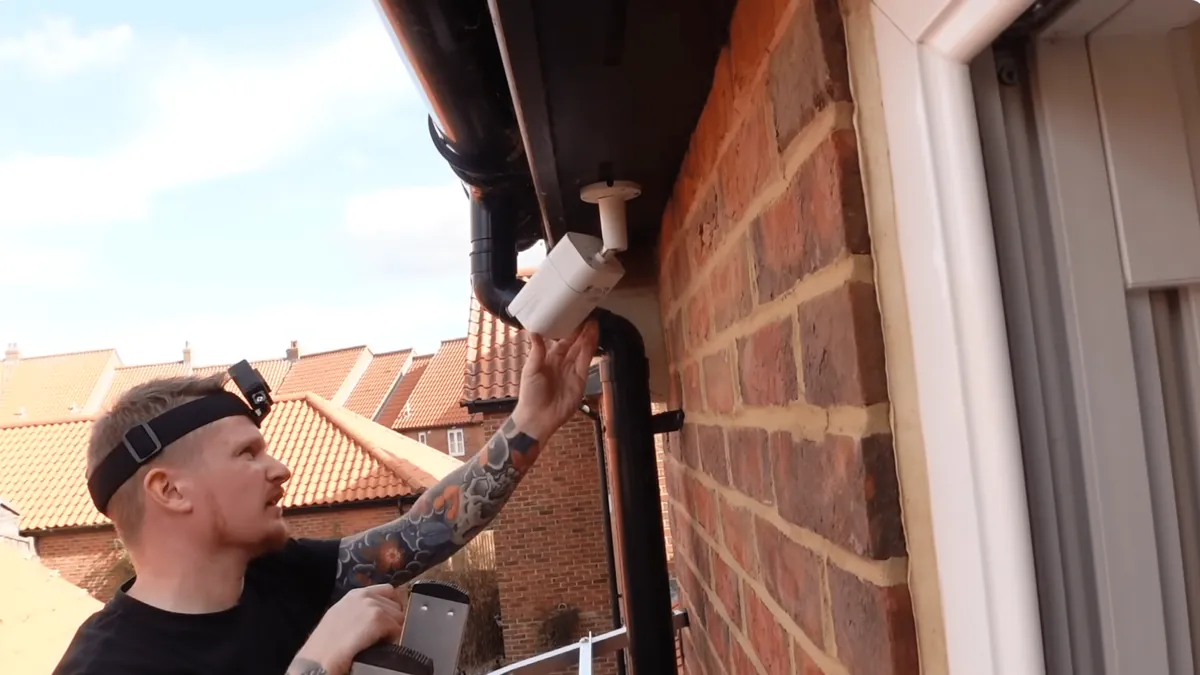
For dome camera installation, contrast the workflow: the dome's cover must be aligned and the camera aimed through it, which often takes two passes. On a 20-camera outdoor job, turrets typically save half a day of labor.
When to Choose a Dome Camera
Choose dome cameras when the environment punishes the hardware:
- Retail, schools and public lobbies where vandalism and tampering are realistic and IK10 is a requirement.
- Ceiling-mount sites where a flush, discreet profile matters and lens direction should stay hidden.
- Dusty or spray-heavy indoor areas where the sealed glass keeps the sensor cleaner than an exposed lens.
- Indoor full-color zones where ambient light dominates and the glare risk is lower than outdoors.
A vandal dome camera is the default answer for a school corridor, a shop floor or a cash counter. If the camera will be within arm's reach of the public, buy the IK10 rating on day one. Do not wait to replace housings after the first incident.
The Mixed-Site Option: Turrets and Domes Together
Most commercial sites do not need a single housing. A mixed fleet matches the housing to the zone:
- Outdoors: turret cameras on poles, walls and eaves for clean night images.
- Public indoor spaces: domes at counters, corridors and entrances for vandal resistance.
- Back-of-house: turrets or domes both work; use turrets where ceilings are high and out of reach.
Mixing housings costs nothing extra when both use the same 5MP sensor family, ONVIF conformance and H.265+ encoding. Your recorder, storage and viewing software treat them identically. The only requirement is that the spec sheet for each zone says which housing and why. The installer should not substitute at the last minute.
Sourcing, Costs and Wholesale
Both housings come from the same factories, often the same product family. When you buy wholesale, the negotiation points are identical: sensor, lens, night capability, IP rating and warranty.
| Cost item | Turret (typical) | Dome (typical) |
|---|---|---|
| 5MP fixed camera, factory MOQ | $25-35 | $28-38 |
| 5MP varifocal, factory MOQ | $35-45 | $40-50 |
| IK10 dome upgrade | n/a | +$3-6 |
| Mounting accessories | $3-8 per camera | $2-6 per camera |
| Installation labor per camera | $30-60 | $35-65 |
← swipe to scroll →
Ranges are typical wholesale levels, not quotes. The housing premium is small, so do not let a few dollars drive the decision; the zone's abuse and night requirements should.
When vetting dome camera suppliers or a turret camera manufacturer, ask for four things. A sample unit, a zero-light test clip, the IP and IK test certificates, and the MOQ. Typical factory MOQ for OEM orders is 10 units with samples available, and lead time for mixed turret and dome families is usually 15-30 days. A supplier that cannot produce a night clip cannot validate its spec sheet, no matter how clean the housing looks.
Quick Answers
Which is better for outdoor use, turret or dome?
Turret cameras are usually better outdoors. The open lens avoids glass glare at night, the 3-axis bracket makes aiming easier on walls and poles, and IP66-IP67 weather ratings are standard. Use domes outdoors only where vandal resistance outranks image quality.
Do dome cameras perform worse at night?
They can. The cover glass reflects the camera's own IR or white-light fill, which reduces contrast and detail. The gap narrows with quality glass and careful mounting, but a clean-lens turret keeps the optical advantage. Ask for a zero-light test clip before you order a large dome lot.
Are turret cameras cheaper than dome cameras?
Marginally. Typical wholesale prices for 5MP units are $25-45 for turrets and $28-50 for domes at factory MOQ. IK10-rated domes sit at the top of the range. The few-dollar difference should never drive the housing choice.
Can I mix turret and dome cameras on one system?
Yes. Both use the same sensor families, ONVIF conformance and H.265+ encoding. One NVR, one storage pool and one viewing platform manage a mixed fleet. Match the housing to the zone: turrets for clean night images outdoors, domes where vandal resistance matters.
The Bottom Line
Choose the housing for the zone, not the habit. Turret cameras win on night image quality, aiming flexibility and outdoor clean-lens performance; dome cameras win on vandal resistance, discretion and ceiling-friendly profiles. The "turret camera vs dome" question has a correct answer per site, and the answer is usually a mix of both. Price is nearly a tie, so the deciding factors are abuse risk and what the footage must show after dark.
At FULLCOLORCAM we supply 5MP full-color turret and dome cameras. Options include F1.0 apertures, 6KV surge protection, ONVIF conformance, H.265+ and factory-direct supply with no MOQ on mixed solution orders. Send us your zone list and abuse risk, and we will match a housing to every camera position.
NEXT STEP
Ready to Upgrade to Full-Color Night Vision?
Send us your requirements — our team responds by email.
Written by
Ray ChanCCTV Buyer's Guide Author · Full-Color Night Vision Specialist. Ray helps global importers and integrators source factory-direct security cameras.